






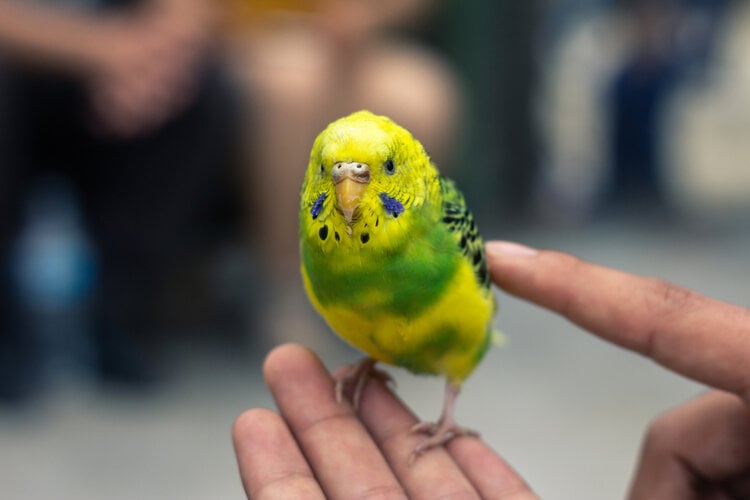

When it comes to birds, many species can make for a great pet. They’re all unique in their own way, which is the best part.
Birds have very different care and maintenance needs than other pets, such as dogs or cats. They may not require daily walks, they do need consistent daily interaction, mental stimulation, and proper husbandry to remain healthy and emotionally well. However, if you do decide to add one of these feathered friends to your family, you will enjoy the companionship they provide for years to come.
Although no bird species should be thought of as ‘low-maintenance’ or ‘easy to care for’, some certainly have more complex requirements than others.
Here’s a list of the top 5 bird species for beginners in need of a pet.

The 5 Pet Birds for Beginners
1. Finches
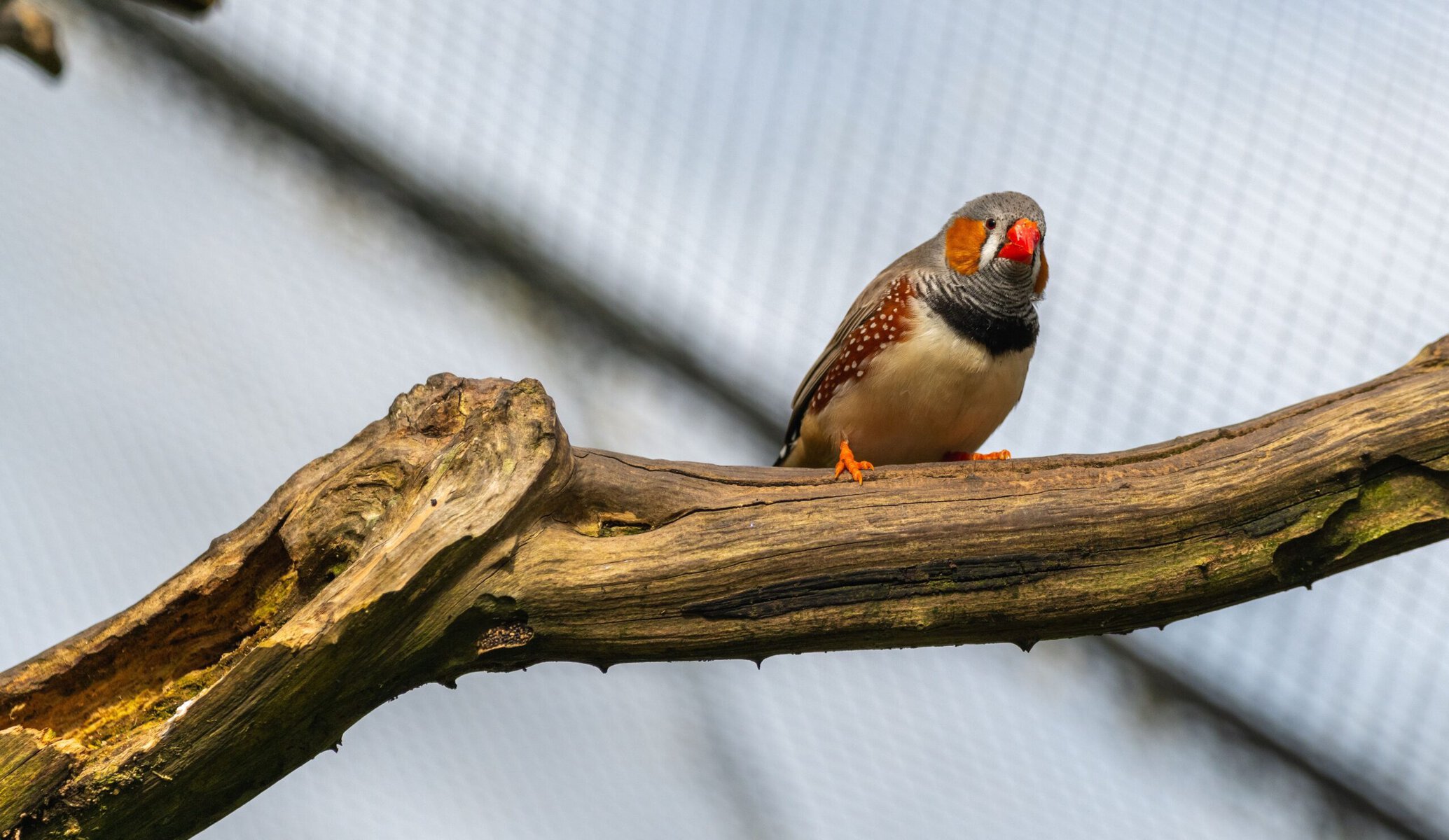
Finches are small, active songbirds that are widely considered one of the best pet bird options for beginners. They are found naturally across parts of Africa, Asia, Australia, and Europe, and there are many popular pet species, including Zebra Finches, Society Finches, and Gouldian Finches.
These birds make excellent starter pets because they are hardy, visually engaging, and relatively easy to care for when their environmental and nutritional needs are met. Finches are not readily handled like many parrots, but they provide enjoyable companionship through their natural behaviors, flight activity, and soft vocalizations. Most finches live around 5–10 years, depending on the species and quality of care, making them a more manageable time commitment for new bird parents.
Because finches are active flyers, they do best in wider cages that allow horizontal flight, rather than tall cages meant for climbing.
Feeding
Finches require a well-balanced diet that includes a high-quality fortified finch seed mix or pelleted diet, supplemented with fresh leafy greens, vegetables, and occasional fruits. Many finches also benefit from small amounts of egg food or sprouted seeds, especially during molt or breeding season. Fresh water should always be available, and food dishes should be cleaned regularly to maintain good hygiene.
Training
Finches are not trained in the same hands-on way as parrots, but they can become very comfortable with their environment and routine. With consistent care, they quickly learn feeding schedules and become comfortable with human presence, and many will sing or vocalize more actively once they feel secure. The focus with finches is on environmental enrichment, such as perches, swings, and safe flight space, rather than trick training.
- Relatively easy to care for
- Quiet and suitable for apartments
- Best enjoyed as a pair or small group
- Visually engaging
- Not typically hand-tame
- Limited direct interaction compared to parrots
- They require adequate flight space in the cage or aviary
2. Cockatiels

Cockatiels are kooky birds, recognizable by their crest. They are originally from Australia, though their popularity has transported them across the globe.
Cockatiels make lively pets as they are full of energy. They love interacting with humans, so you can easily teach them tricks such as talking, singing, whistling, etc. Also, they’re quite easy to feed since all they drink is water, and all they need to eat is a quality pellet diet with fresh veggies and some fruit. Be sure to keep their cage clean at all times and replace their toys regularly, as these birds like to chew on things.
To help your new pet settle in faster to his new home, consider getting a bird stand or an extra cage and keeping it in a room of your house. Place his cage near your TV or computer where he can see you during the day and get used to your face, voice, and smell.
Feeding
Cockatiels should be fed pellets to help them grow strong, along with fresh veggies and fruits such as apples, oranges, grapes, berries, cantaloupe, and carrots. They can also benefit from millet spray as a treat, but make sure not to overdo it since the millet sprays are very high in carbohydrates and fat, which can contribute to weight gain.
Training
Since cockatiels like interacting with humans, you can easily teach them tricks such as talking or whistling after some time of practice. However, if you want him to do more complex tricks, it’s best to purchase a training tool such as clickers or whistles.
- Long-lived
- Easy to train and handle
- Talkative
- They chew—a lot!
- On the bigger side, so need more space
If you’re new to the wonderful world of cockatiels, you’ll need a great resource to help your birds thrive. We highly recommend taking a closer look at The Ultimate Guide to Cockatiels, available on Amazon.

This excellent book covers everything from the history, color mutations, and anatomy of cockatiels to expert housing, feeding, breeding, and health care tips.
3. Canaries

Canaries are a hallmark pet for beginners because they are quite easy to take care of. They eat mostly a balanced diet that includes a complete pellet or fortified seed base with fresh greens and veggies and require minimal attention since all you need to do is clean their cage regularly.
The canaries don’t tend to live for more than 10 years, which is nothing compared to large parrots, which can live for up to 100 years! This is a much smaller commitment to make but also leads to a faster heartbreak.
These birds are also very social creatures, so if you want them to be happy, then get yourself a buddy because they need company most of the time.
Canaries are well known for their pleasant and melodic singing, which is one of the main reasons they are so popular as pet birds. Male canaries are the primary singers, and their vocal activity is influenced by factors such as age, genetics, seasonal hormones, lighting cycles, overall health, and a calm, secure environment. When these needs are met, many canaries will sing naturally without the need for special training or stimulation.
Feeding
Canaries are partial to fruits and veggies, so you can feed them seeds along with fresh fruit and veggie treats. Be sure to choose a well-balanced diet that includes lots of vitamins and minerals along with all their nutrients.
Training
Like most pet birds, canaries are smart enough to learn basic tricks such as singing or whistling after some time of practice. If you want more complicated tricks or songs, then consider purchasing training tools such as clickers or whistle devices.
- Easy to train
- Live for 15-20 years
- Quite affordable to buy and maintain
- Small and fragile so not ideal for young children
- Sensitive to temperature and noise changes
4. Budgies

The Budgerigar, also known as the budgie, is a small-sized pet bird that is one of the easiest to take care of. They are quite affordable and come in different colors, so you can find the perfect fit for your home.
Pair them up with a compatible budgie, so they have appropriate social interaction, and they’ll be more playful. Like most parrots, these birds love interacting with humans, so you can easily teach them tricks such as talking if you’re interested (which isn’t needed but still fun).
Budgies love to chew, so be sure to provide lots of toys they can safely sink their beak into. Cage cleaning will be a constant requirement to remove debris that could harm your pet.
Feeding
Budgies require a balanced and varied mix of pellets, mixed seeds, leafy greens, and veggies. If you’re worried about him getting bored in his cage, then place some enrichment items such as wooden puzzle toys that make him work for his food!
Training
Training a budgie is not as hard as training some larger species, yet they’re still pretty smart. They can learn their names fairly quickly and love to interact with humans. If you want to teach your budgie tricks or songs (like the canaries), then consider buying him a whistle device or clicker so he learns them faster. You can also let him watch you perform tricks so he mimics you.
- Relatively simple to take care of
- Live up to 10 years
- Come in different colors (with prices varying)
- Require lots of social interactions; don’t like being alone
- Chewing on things is natural to them, but can lead to aggression when they feel frustrated
5. Doves

Doves are gentle, calm birds that are often recommended for beginner bird owners due to their predictable behavior and mild temperament. Common pet species include Ringneck Doves and Diamond Doves, which are native to parts of Africa, Asia, and Australia.
These birds make excellent companions for people who prefer a quieter, more relaxed pet. Doves are not as demanding as parrots and are known for their soft cooing rather than loud vocalizations, making them more suitable for apartment living. They tend to bond well with their owners and can enjoy human company without requiring constant hands-on interaction. With proper care, many pet doves can live 10–15 years.
Feeding
A dove’s diet should consist of a balanced seed mix formulated specifically for doves or pigeons, supplemented with leafy greens and fresh vegetables. Some individuals may also accept pelleted diets designed for columbiform birds. Fresh water should always be available, and food dishes should be kept clean to prevent contamination.
- Related Read: DIY Treats Your Lovebird Will Love
Training
Doves are not trained to perform tricks like parrots, but they are capable of learning routines and responding calmly to gentle handling. Historically, certain species of doves and pigeons were used as messenger birds, relying on their strong homing instincts to carry messages over long distances.
In pet doves, the focus is more on trust-building, predictable routines, and positive reinforcement, allowing many doves to become comfortable perching on a hand or shoulder and enjoying quiet interaction with their owners.
- Calm and gentle temperament
- Quiet and suitable for apartments
- Lower behavioral intensity than parrots
- Can enjoy human companionship without constant handling
- Limited trick-training potential
- Less interactive than parrots
- Require regular cage cleaning due to seed diets

Final Thoughts
If you’re thinking about getting a bird as a pet, be sure to do plenty of research to make sure you know what you’re getting into. Some bird species are easier to keep than others, and some have a long list of specific requirements. Pet birds are very social animals, and you do need to spend time with them, so make sure you are prepared for this.
When bringing an animal into your home, the focus should be on companionship and care, not simply something that looks or sounds good. That’s why picking a pet bird requires a lot of thought and planning to make sure you choose the right species for you and your lifestyle. The birds on our list were not chosen because they require little to no effort, but they are easier to look after than some more exotic avian species, and with the right habitat and care, they can become wonderful companions.
You May Also Like:
- Cockatiel vs Lovebird: What’s the Difference?
- Cockatiel vs Conure: Which Pet Bird is Better? (With Pictures)
- Do Cockatoos Make Good Pets?
Featured Image Credit: Mario Snchz, Shutterstock