







Click to Skip Ahead
The hedgehog is an increasingly popular pet in the United States, but people still have many questions about their diet. Most owners know that their pets love fruit, but a common question is this: Can hedgehogs eat cherries?
The short answer is yes, hedgehogs can eat cherries as occasional treats and will probably enjoy them. However, before you make this fruit a regular part of your pet’s diet, there are a few things to consider. Keep reading as we look at the benefits and potential hazards of cherries so you can be better informed.

Are Cherries Bad for Hedgehogs?
Let’s take a look at the components that make up this fruit that we humans enjoy so much but that may pose a few risks to your pet.
Pits
Cherry pits contain a compound called amygdalin, which can release the toxin cyanide when metabolized. This toxin is not only harmful to hedgehogs and other animals, but it’s also poisonous to humans. Most people don’t realize that cherry pits are dangerous because we don’t tend to eat them. Always remove any pits from the cherries that you provide to your pet.
Skin
The skin of cherries is not toxic to your hedgehog, but it may present a choking hazard. The hedgehog has a tiny mouth and throat. The skin of a cherry can get lodged in it, so it’s better to remove it before serving when possible, to minimize risk.
Sugar
Cherries, like many other fruits, contain quite a bit of sugar. One cup of cherries contains more than 13 grams of sugar.1 While you will only be serving a fraction of this amount, cherries can still lead to weight gain, tooth decay, and other health problems for your hedgehog.

Are Cherries Good for Hedgehogs?
Cherries contain water, small amounts of fiber, and trace nutrients like vitamin A and C. However, they are not considered beneficial or necessary for hedgehogs. These animals require a high-protein, low-carbohydrate diet based on insects and specially formulated foods. Cherries are high in sugar and offer little nutritional value compared to more species-appropriate foods.
While a very small bite of cherry (with the pit and skin removed) is unlikely to harm your hedgehog, it should only be offered as an occasional treat, if at all. Their digestive systems are sensitive, and fruit can contribute to diarrhea, weight gain, and nutritional imbalances if overfed.
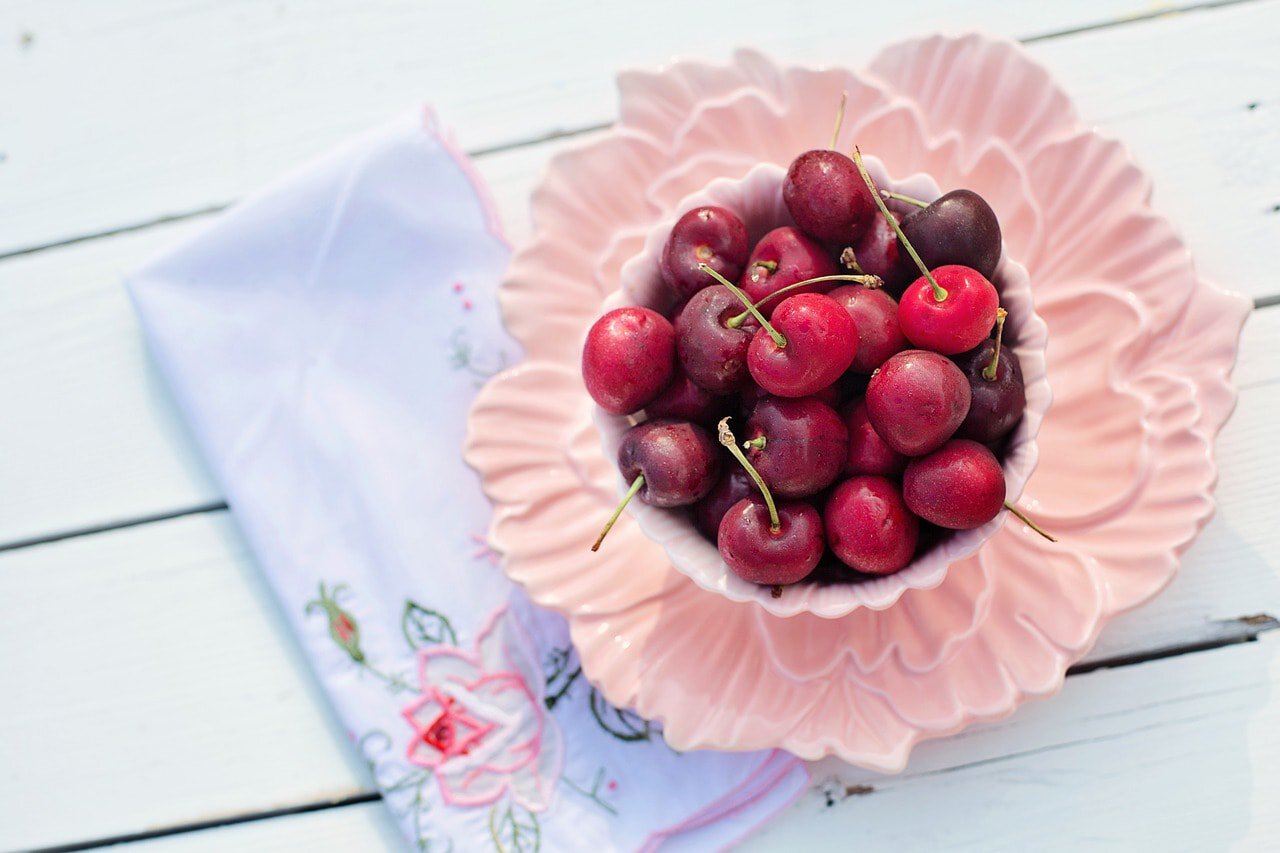
How Can I Feed My Hedgehog Cherries?
Only natural, fresh cherries should be offered to your hedgehog. Avoid dried or preserved versions, as they contain higher concentrations of sugar and may include harmful additives such as preservatives or sweeteners. To prepare, first make sure you wash them carefully to remove pesticides and other chemicals. Cut the cherry in half to remove the seed. Remove the skin from the cherry, and cut or chop it into small pieces. Give your hedgehog only a small piece (about the size of a pea) once every few days.
What Other Fruits Do Hedgehogs Eat?
Your hedgehog can eat a wide variety of other fruits, including apples, bananas, kiwi, melons, and pears. Other berries that they are likely to enjoy include blueberries, blackberries, and strawberries. With these, you can provide your pet with a versatile diet. You will also serve most of them the same way: after washing them and removing the seeds and cutting the flesh into small pieces that your pet can manage. The rule of thumb is to give only small pieces occasionally, as treats.

What Fruits Should Hedgehogs Avoid?
While many fruits are safe to give your hedgehog, there are several that you should avoid.
- You should not serve citrus fruits like oranges, limes, lemons, and others. These are too acidic and can lead to digestive issues and discomfort if your pet eats them.
- Grapes are potentially toxic to hedgehogs and may damage their livers and kidneys. Raisins, which are dried grapes, are also unsafe for these animals to eat.
- Hedgehogs should not eat dried fruits because they have a higher sugar concentration, and manufacturers often add a preservative that can cause health problems in your pet.
- Be careful when feeding your hedgehog fruit that grows on trees, including cherries, because these foods often have plenty of pesticides on them.
What Other Foods Do Hedgehogs Eat?
- In the wild, hedgehogs are primarily insectivores. They will eat several different types, including crickets and worms, but you should never feed them free-caught insects because these can carry parasites, bacteria, or even pesticides that could make your pet sick. However, commercially bought insects can be great treats.
- If you are in a pinch, you can feed your pet hedgehog a small amount of cat food. High-protein, low-fat, and low-carbohydrate cat food is best; chicken or another animal protein should be listed as the first ingredient.
- Wet cat and dog food can help add moisture to your pet’s diet if they’re not drinking enough water, but it should be fed sparingly due to its higher fat content. Do not offer them milk as they are lactose intolerant, and dairy can cause serious digestive problems.
- There are several brands of commercial hedgehog food available that will provide your pet with a healthy diet.
Summary
Hedgehogs can eat a very small amount of cherry flesh occasionally, but cherries are not a necessary or particularly healthy part of their diet. These fruits are high in sugar and offer little nutritional value for insectivorous animals like hedgehogs.
If you decide to offer a tiny piece as a rare treat, be sure to wash them well to remove any pesticides, remove the skin and pits, and chop the flesh into smaller pieces so your pet can eat them. You can only serve a pea-sized amount every few days, but it can add some variety to their diet.