







Click to Skip Ahead
Avocados are one of those foods that humans love, but for most animals, this food is toxic. Not every animal has adverse reactions when eating an avocado. For example, rats should stay away from avocado if possible.
More specifically, although some sites indicate that rats can enjoy the green fleshy part of the avocado, with the pit (seed) and skin being more toxic, it’s still not safe enough, as the pulp also contains persin, the substance responsible for toxicity. Besides that, the green part of the avocado is really high in fat, which means it wouldn’t be ideal anyway, if there were no toxicity issues.
To learn more about rats and avocado, keep reading.

Can I Feed My Pet Rat Avocado?
Due to the presence of persin in all parts of the avocado, it is important not to feed this fruit to your rat. If they somehow accidentally ingest any part of the flesh or pulp, or particularly the skin or seed, please contact an emergency exotic veterinarian immediately.
Even though avocados come with a lot of healthy antioxidants for humans, fatty acids, and nutrients, the high amount of fat in avocados can be very dangerous to rats, besides persin. As a result, you need to be very careful about not feeding this plant to your pets.
For any queries regarding your rat’s health and nutrition, speak to your vet.

Why Is Avocado Unsafe for Rats?
Avocado is not safe for rats to eat in any amount due to the substance called persin, despite the belief that it offers quite a few nutrients. Your rat will receive all the required nutrients from their balanced diet.
Avocado is high in some important vitamins, such as vitamin C and vitamin K, and a full range of B vitamins as well. All these vitamins are healthy for humans and rats alike, but that doesn’t make avocados safe for rats.
In terms of minerals, avocado is a rich source of magnesium and potassium, both of which support several health processes, but again, it’s not enough to justify offering it to a rat, as the risk to their health is too high.
Should You Feed Your Rat Avocado
Based on everything we mentioned, you should avoid feeding your rat any part of the avocado fruit, even the pulp or the flesh. Although there are anecdotal reports of the pulp being less problematic, we feel it’s just not worth the risk.

What Should I Feed My Rat?
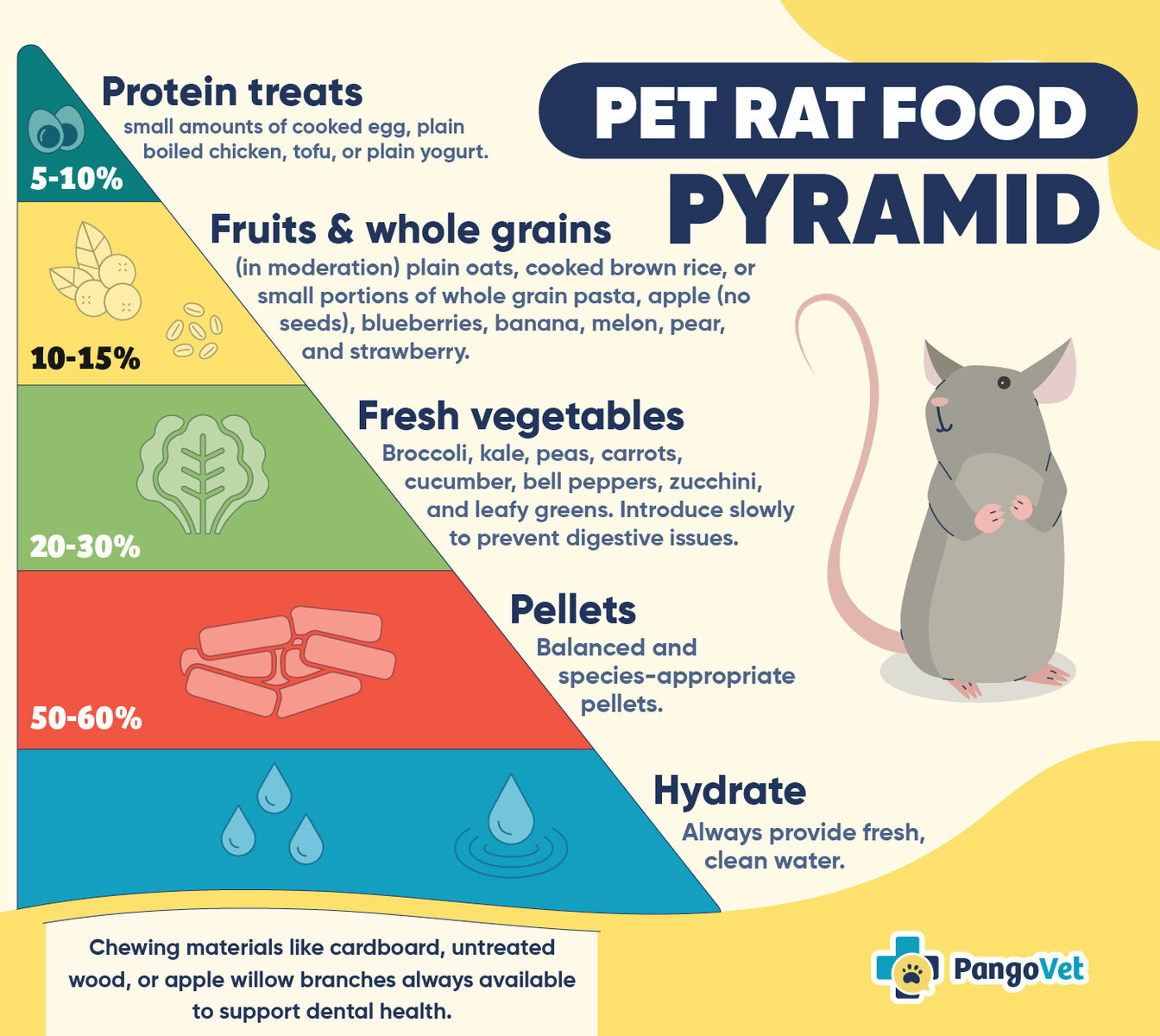
Even though a lot of people imagine rats as eating garbage and a bunch of junk, these animals need a really delicious and nutritious diet. They need high-quality species-specific pellets and water, with the addition of fruits, vegetables,
Most of your rat’s diet should come from pellets made specially for rats. Look for mixes that do not have too much seed or grain. These mixes are often high in fat and sugar, leading to obesity and malnourishment in rats.
You can also feed fruits and vegetables, but in strict moderation to ensure your rat gets the additional nutrients, hydration, and enrichment. Some great fresh foods to feed your rat include apples, bananas, broccoli, carrots, bok choy, celery, berries, and parsley. Every day, provide your rat with a fresh source of water.
What Foods Are Dangerous to Rats?
Even though rats aren’t as sensitive to certain food types as other animals, there are foods you should avoid feeding them because they are dangerous. Here are some examples of foods you should not feed your rat:
- Artichokes
- Blue cheese
- Candies
- Dried fruit
- Green bananas
- Licorice
- Juice
- Mango
- Peanuts
- Peanut butter
- Potatoes with green skin
This is not a comprehensive list of foods you should avoid feeding your rats, but it can give you a place to start. Before feeding your rat any new type of fruit or vegetable, make sure to research whether it is safe for rats to consume and consult with your vet.
Conclusion
Although there is some debate and controversy about whether the flesh or pulp of the avocado is safe enough for rats to eat in moderation, we would advise against it. All parts of the avocado contain persin, which is toxic. Speak to your vet before offering new treats to your rat to make sure they are safe for them.