







Click to Skip Ahead
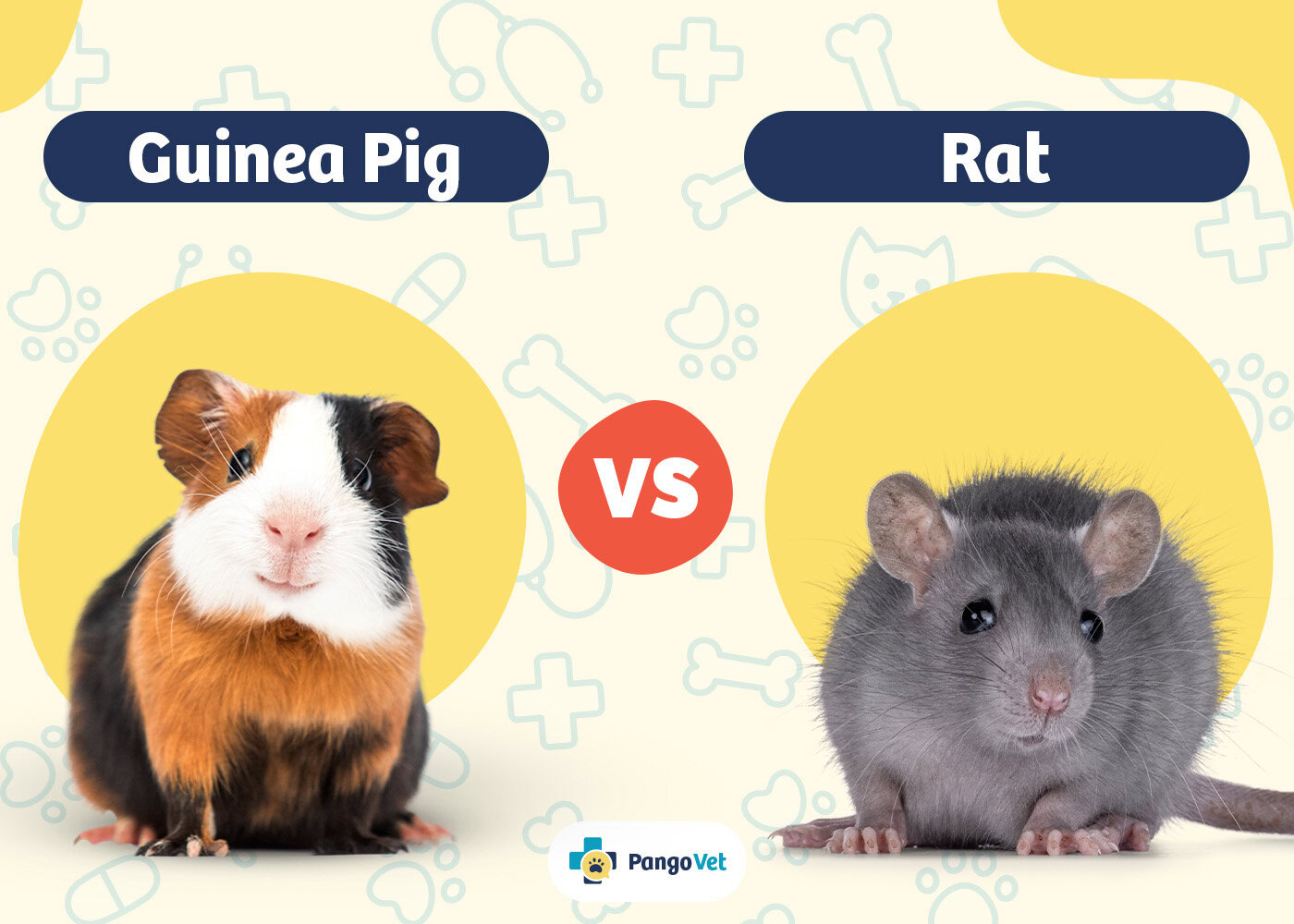
Although not as popular as cats and dogs, rodents can make for exceptional pets. Some species are quite intelligent and affectionate, such as guinea pigs and pet rats. But not all rodents are the same. There are major differences between these two species alone.
Let’s look over what makes each of these special and help you determine which is the best rodent for you and your family.

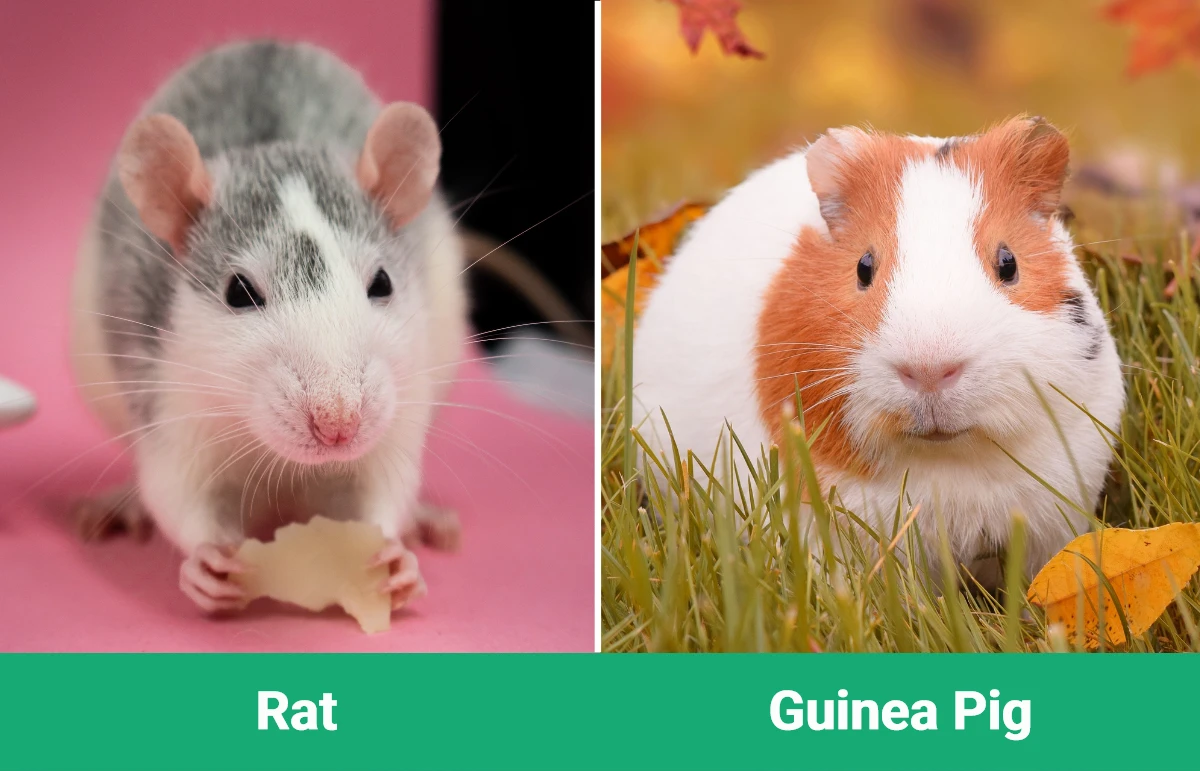
Visual Differences
At a Glance
- Average size (adult): 8–10 inches
- Average weight (adult): 2–2.6 pounds
- Lifespan: 5–7+ years
- Exercise: 3–4 hours a day
- Grooming needs: Moderate (depending on the breed)
- Family-friendly: Yes
- Other pet-friendly: Depends
- Trainability: Very trainable but requires practice and patience
- Average size (adult): 8–10 inches (excluding tail)
- Average weight (adult): 5–17 ounces (average)
- Lifespan: 2–3 years
- Exercise: 2+ hours a day
- Grooming needs: Very low
- Family-friendly: Yes
- Other pet-friendly: Sometimes
- Trainability: Very intelligent, easily trained
Guinea Pig Overview

If you’re looking for a cute and cuddly pet that doesn’t get too big, consider getting a guinea pig. Sure, they might be rodents, but they can have a ton of spunk and love snuggling up with you. These little furballs are unique even amongst rodents when it comes to personality. They can range from complete divas to couch potatoes.
They’re actually pretty hardy critters as well. As long as you properly care for them, they can live long, happy lives up to 8 years old. That’s longer than some dog breeds! The most common illnesses they get are respiratory infections and scurvy. So, make sure they keep up with their vitamin C.
Guinea pigs also require more grooming than most other rodents. While hamsters and rats self-groom, you’re going to need to put in some effort when it comes to your cavy. Shorter-haired varieties will need brushing at least twice a week. Longer-haired variants may need daily maintenance. However, just think of it as bonding time between you and your loved one.
Personality/Character
Guinea pigs may be small, but they’ve got enormous personalities. And every single one is unique. Some guinea pigs are shy and timid, cuddling up only with their owner and no one else. However, others are total hams (there’s a pun somewhere there). They’ll happily visit and play with everyone who will let them.
Before selecting your guinea pig, sit down and get to know them a bit first. You’ll be able to determine their personality before buying. For example, if you’re looking for a guinea pig to snuggle up with, you’ll want to avoid an active, outgoing one. They’ll be more focused on active play than companionship.
Training
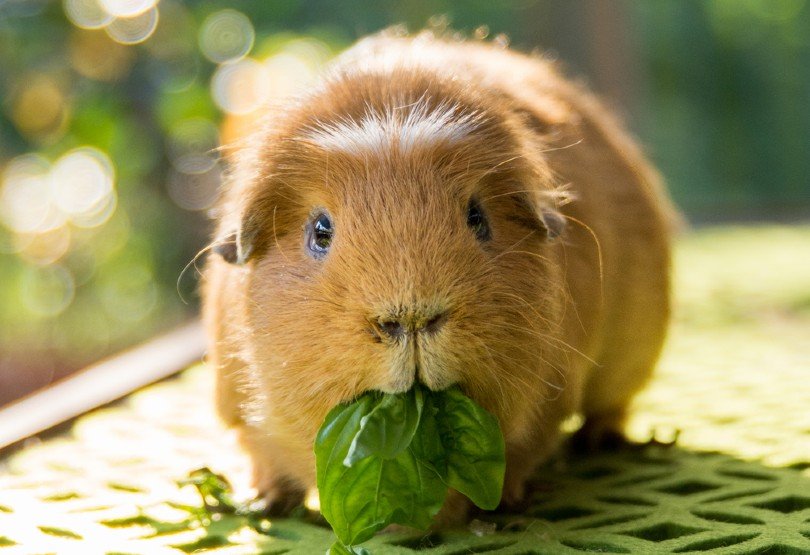
It might sound weird, but did you know that you can train a guinea pig? Guinea pigs are rather intelligent and can learn a whole bunch of different tricks. Training them to respond to their name is probably the easiest thing to teach them. Simply use their name several times when socializing with them, and when they start to respond, feed them a treat.
Training your guinea pig isn’t just for show. You’re going to need to potty train them, and this can be relatively difficult. It requires a ton of patience and good timing. But with enough practice, you can have your guinea pig using a litter box just as a cat would! This will save you trouble and effort cleaning up random poop and pee whenever you let them out of their cage.
Suitable For:
Guinea pigs make for wonderful family pets—especially with children who are at elementary school age, who are often learning about the responsibility of raising a pet.
Guinea pigs are less fragile than rabbits, less skittish than hamsters and gerbils, and more robust and hardy than rats. While they’re a great option to start introducing your child to, you should have some general knowledge of how to care for a pet. They do have some pretty strict cleaning and grooming standards, and you should ensure you have time to care for them within your schedule.
Pet Rat Overview

We’re not going to deny that there can be an initial “eww factor” to get over when getting a rat for a pet. Wild and urban rats are associated with filth, squalor, and disease. However, pet rats are the exact opposite. With access to clean drinking water, food, and proper health care, pet rats are extremely clean and obedient creatures.
Many rat owners call them “low-maintenance dogs”. Rats exhibit a fierce loyalty to their masters and are extremely friendly and affectionate. They are very sociable animals as well and can thrive with another rat—provided they were raised together. Introducing a new rat may cause bullying and undue stress.
Like cats, rats constantly groom themselves—even more so than cats. They prefer a clean, tidy habitat over a messy one. Wild and urban rats only wallow in filth because that’s the easiest place to find food and shelter. However, pet rats show the rodent’s true nature.
The most common cause of death in rats isn’t some crazy disease or plague ready to take down humanity. It’s pneumonia and chronic respiratory disease. While wild rats are notorious spreaders of pestilence, the cleanliness and well-being of a pet rat minimize their chance of becoming the next plague bearer.
Training
Rats are extremely intelligent animals and can learn a ton of neat tricks! They’re very similar to dogs as you can teach a rat to sit, stay, fetch, come when called, and even shake hands. These furry little rodents can learn just about anything other trained animals can do.
The trick to teaching your rat new tricks lies within your methodology. If there’s any animal that’s motivated by food more than a rat, we haven’t heard of it. Treat-based training is the best way to get your rat to learn simple and complex commands.

Breeding
Rats, like other rodents, are prolific breeders. It’s harder to keep them from breeding than to get them to do so. Male rats reach sexual maturity at around 6–10 weeks of age, and females at 8–12 weeks old, so they should be kept apart from this age onward
The gestation period lasts around 21 to 23 days, and when the female gives birth, it’s generally a rather large litter. The average size of a new rat litter is 8–18 pups.
If you intend to breed rats, you should start breeding your females at 3–4 months of age and finish at 10–12 months. Any older and there may be physical damage to the mother.
Suitable For:
Pet rats can make for excellent family pets! They love hanging out with their family and like nothing more than snuggling with you on the couch to watch a movie. Just be careful you don’t squish them. Many rats will even lick you as if they’re grooming another member of the rat pack.
However, you need to be careful with rats around small children—for the rat’s sake. Rats are small, delicate creatures that need to be handled with ease and poise. Untrained and younger children may accidentally squeeze too hard and injure themselves or the rat.
Which Pet Is Right for You?
Guinea pigs and pet rats are both intelligent, affectionate, and engaging animals, each with their own unique strengths and care requirements.
If you’re looking for a gentle, expressive companion who enjoys calm lap time and communicates through a wide range of vocalizations, a guinea pig might be the perfect fit. They thrive in a clean, enriching environment and form strong bonds with their caregivers. On the other hand, if you’re drawn to a highly intelligent, trainable pet that enjoys interaction and mental stimulation, a rat could be a wonderful choice. Despite common misconceptions, pet rats are clean, social, and full of personality.
Whichever species you choose, you’re welcoming a rewarding and deeply social animal into your home. With proper care, attention, and respect, both guinea pigs and rats can become cherished members of your family.
See also:
- Hamster vs. Guinea Pig: Which One to Choose (With Pictures)
- How Much Does It Cost to Own a Guinea Pig?
Featured Image Credit: Top – ErikSmit, Pixabay | Bottom – vantagepointfl, Pixabay