






Click to Skip Ahead
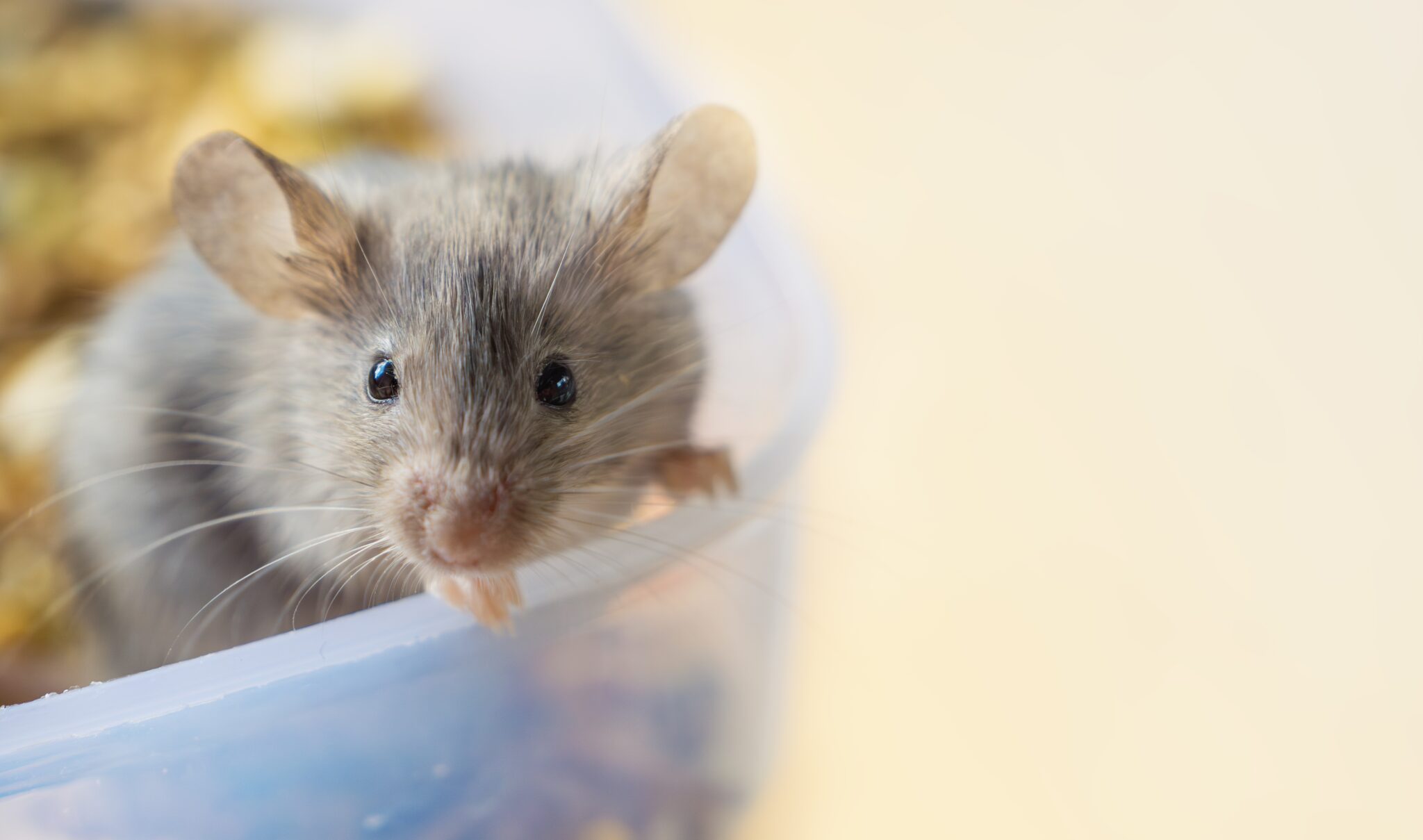
Mice have quickly made their way into the hearts of several pet lovers. Whether we’re discussing a pet mouse kept in a cage in your bedroom or the tiny mice who live in the wild and often make their way into our homes without an invite, their lifespans can differ. The most significant difference these mice face is their respective environments. Pet mice can live for 2, even 2.5 years, while wild mice rarely live beyond 1 year. Below, we’ll examine the life of mice to see how long they live and what dictates this timeline.

What’s the Average Lifespan of a Mouse?
The average lifespan of a mouse is determined by whether it is a wild or pet mouse. In most situations, pet mice can easily live up to 2.5 years. Wild mice can live up to 4-5 years if kept under human care, but normally, that doesn’t happen. Predators and other issues keep wild mice from surviving for long periods, with most wild mice dying before they reach their first year of age.

Why Do Some Mice Live Longer Than Others?
As we mentioned above, pet mice and wild species have different lifespans. Mice in the wild also have different struggles. Let’s examine a few factors that determine why some mice live longer than others.
1. Nutrition
Access to proper nutrition is one of the most critical factors in determining how long a mouse may live. Pet mice have access to the right mix of needed nutrients and essentials and will thrive if their pet parent is trustworthy and caring. Wild mice don’t have this same opportunity. In the wild, mice live off whatever foods they can find. Often, these scraps aren’t enough to keep them healthy, which is one of the reasons why wild mice often die before they reach their average life expectancy.

2. Environment and Conditions
The conditions in which mice live play a huge role in their longevity. Commonly, in the wild, mice live only around 6 months. This is due to predators they encounter, poisons they consume, and competition with other rodents for food.
Mice kept as pets depend on their owners to provide them with the best conditions to thrive. This includes the proper enclosure, diet, and companions; female pet mice do better when they have a companion, but males can be a bit more territorial.
3. Enclosure Size/Living Quarters/Housing
While wild mice make their homes anywhere, pet mice require sanitary conditions to be happy and healthy. Luckily, mice don’t require huge living spaces. The most important part of their housing is to ensure their bedding is made from safe materials. Safe materials to use are newspaper, shredded paper, hay, corncob, and aspen shavings. The more regularly you change the bedding, the less your mice’s cage will stink and the healthier they will be.

4. Size
Size is another unfortunate factor in wild mice’s life expectancy. Because they are one of the smaller rodents, they are often considered prey for many animals. Birds, cats, and dogs make life difficult for wild mice. For pet mice, their small stature isn’t truly an issue, as their well-being becomes the responsibility of their owner.
5. Sex
Female mice have been known to live longer than their male counterparts. Unfortunately, this additional time isn’t much. A few weeks to months is usually the most females outlive the males.

6. Stress
Stress is another factor mice face that can lower their life expectancy. For pet mice, inadequate housing, lack of a companion, and bad diets are the leading causes of stress. The stress is unhealthy and leaves mice suffering even in captivity.
Wild mice face different forms of stress. The constant struggle for food, water, and survival greatly stresses wild mice, which can be one of the leading causes of their shortened lifespans when struggling to survive.
7. Healthcare
Healthcare isn’t an option for wild mice, but those who live in captivity can get medical care when needed. Pet owners who notice their mice are sick can seek assistance from a veterinarian to help them feel better. Wild mice must fight through whatever health issues they experience. Often, they lose this fight.

Wild vs Pet
You might be surprised to learn that wild mice kept as pets have a longer life expectancy than pet or domesticated mice. This is because the natural breeding and genetics of mice found in the wild populations favor health and survival, while pet mice have typically been bred for characteristics like appearance and temperament. As a result, pet mice tend to succumb to age-related health issues earlier than wild mice. The trade-off is that wild mice are not as tame or happy with life under the care of humans, and lack the aesthetic appeal of their domesticated friends.
The 4 Life Stages of Mice
1. Baby Mice
Mouse pups, also known as pinkies, are tiny little mammals. They are entirely hairless, blind, and light pink. Weighing hardly anything, baby mice are roughly the size of a quarter. Both pet and wild mouse mothers hide their pups to protect them from predators.

2. Juvenile
Mice open their eyes and grow hair within their first 2 weeks of life. By the time they are 3 weeks old, the juveniles are weaned from their mothers, able to find their own food, and can come and go from the nest on their own.
3. Mature Adult
At 6 weeks, male mice are considered sexually mature. This is when males use ultrasonic songs and unique scents to attract females. Once mating is done, females will deliver a litter in 18 to 21 days. The average litter size is between 5 and 6 pups.
4. Senior
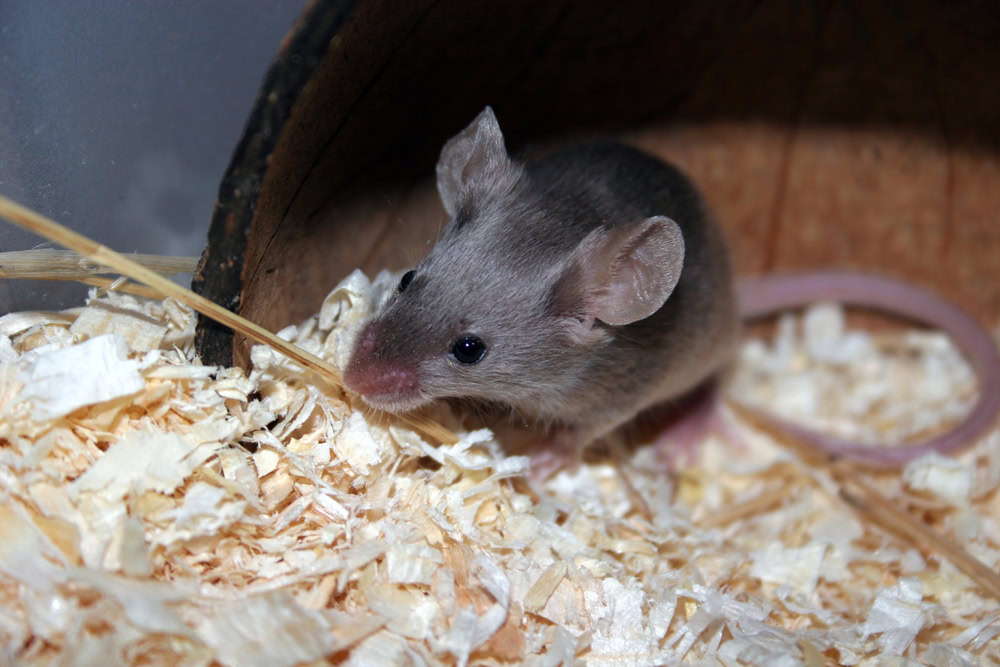
Once a mouse reaches 18 months or older it is considered a senior, and will display subtle but noticeable signs of aging. They may become less active, spend more time sleeping, and may not explore their environment as eagerly as they once did. Their fur can appear thinner or lose its healthy shine, and you might notice gradual weight loss or muscle wasting, especially around the back end.
As mice age, they also become more prone to common health concerns such as tumors, particularly mammary tumors in females, and dental issues, since their incisors continue to grow throughout life. These age-related changes are a normal part of their life cycle, and recognizing them can help owners to better support comfort, nutrition, and quality of life in their golden stage.
How To Tell Your Mouse’s Age
It is easy to determine the age of mice when they are young. Pups lack hair or have patchy hair. Their ears are also smaller and closer to their head. Once the mouse reaches maturity, determining their exact age is nearly impossible. When you realize your mouse, wild or pet, stops showing signs of growth, you’ll know it has reached its adult stage. Veterinarians sometimes estimate age based on tooth wear, weight, and condition of the coat, but this is not always precise.
Conclusion
As you can see, several factors can determine how long a mouse will live. While pet mice have a better opportunity to reach their full expectancy of 2 – 2.5 years, their wild cousins still have the longest lifespans. Unfortunately, wild mice rarely reach their life expectancy of 5 years unless they are kept under human care. Luckily, pet owners who have pet mice get to spend a few years with their companions and provide them with the best life possible.
Featured Image Credit: MiVik, Shutterstock