





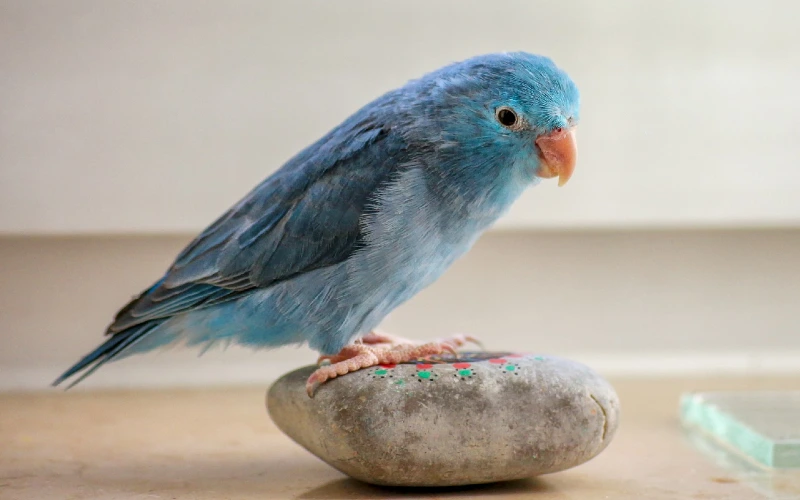

Birds make fantastic pets, so it’s no surprise that over 5 million American households have pet birds. Many owners find that these feathered friends are easier to care for than their furry four-legged counterparts. However, birds can be prone to certain health conditions, and if you’re not careful, your bird could quickly become severely ill.
We always recommend that prospective pet owners research before bringing a new animal into their lives, and this same rule applies to bird ownership. Knowing the diseases and conditions that could affect your pet bird makes it easier for you to recognize the signs and get treatment faster.
Keep reading to find 12 of the most common diseases in companion birds.

The 12 Common Diseases in Pet Birds
1. Avian Polyomavirus (APV)
Avian polyomavirus causes benign feather lesions, slow crop emptying in weanling parrots, hemorrhages under the skin, or sudden death. The species most affected by APV include Budgies, Caiques, and Eclectus Parrots. This virus is typically spread when a non-vaccinated bird is exposed to one infected with the polyomavirus. Feather dander and bodily fluids from birds with the infection can also be a source of transmission.
Most weanling and juvenile parrots with this infection will often die without showing any signs. However, birds that recover from this condition may be left with abnormal feathers and will remain carriers of the virus.
- Depression
- Weight loss
- Regurgitation
- Wet droppings
- Dehydration
- Difficulty breathing
2. Proventricular Dilation Diseases (PDD)
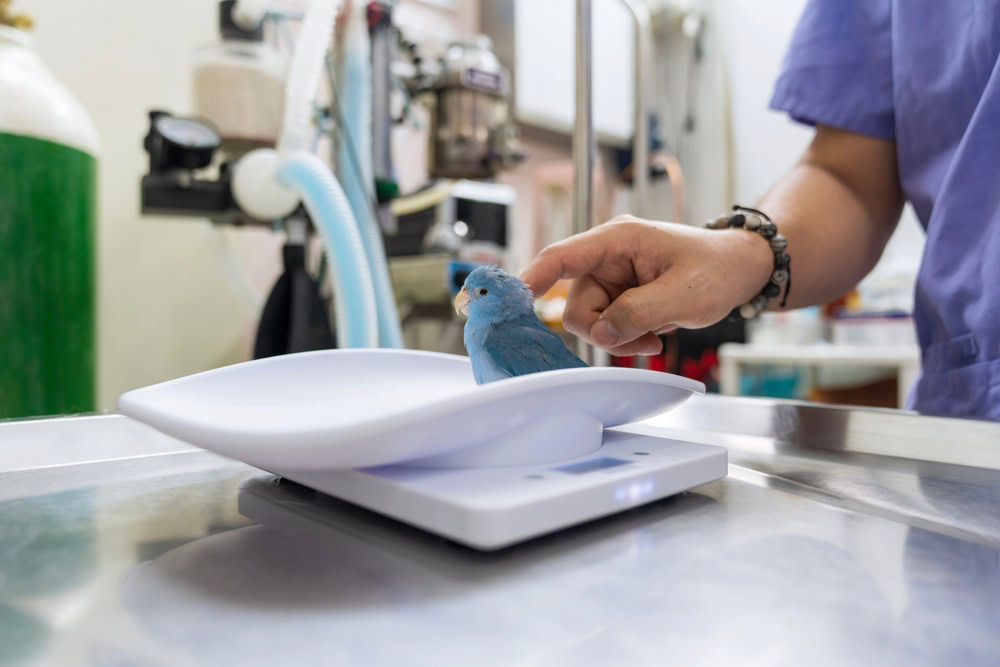
Proventricular dilation disease is also known as avian bornavirus disease (ABV-associated disease), formerly called parrot wasting syndrome or macaw wasting syndrome, as it is commonly diagnosed in species like Macaws, African Greys, and Amazon Parrots.
This viral-associated neurologic and gastrointestinal disease affects the nervous system and and enteric system and is often is often fatal once clinical signs begin to develop. Your avian vet can treat this condition with supportive care and anti-inflammatory medications, but there is no definitive cure.
- Chronic weight loss
- Passing undigested food
- Regurgitation
- Vomiting
- Swollen crop
- Seizures
3. Psittacosis (Parrot Fever)
Psittacosis, also known as parrot fever or chlamydiosis, is a bacterial infection and is highly contagious amongst companion birds. It’s caused by Chlamydia psittaci, an obligate intracellular bacterium. This condition is common in Cockatiels, Amazon Parrots, and Budgerigars and can be transmitted to humans.
Treatment for this condition often includes a prolonged course of an oral or injectable antibiotic.
- Sneezing
- Difficulty breathing
- Inability to fly
- Tail bobbing
- Swollen abdomen
- Eye infections
- Lethargy
4. Psittacine Beak & Feather Disease (PBFD)
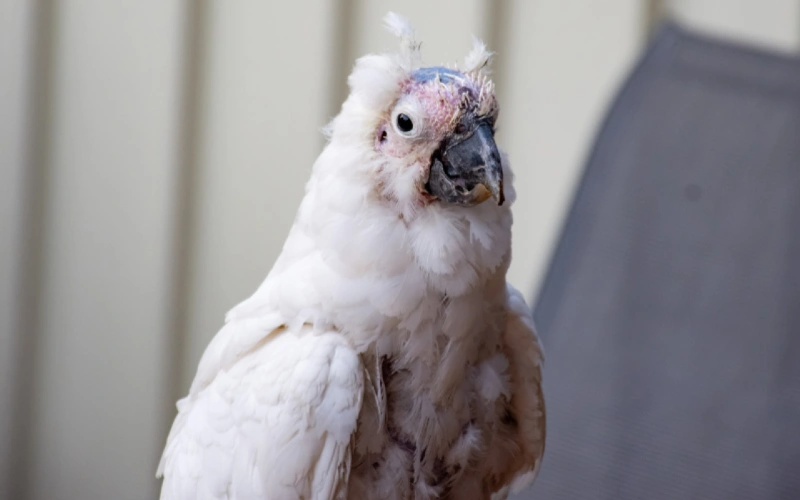
PBFD is a disease that can affect any member of the parrot family. It’s sometimes referred to as “bird AIDS” as the signs of the two diseases are superficially similar. This condition mostly affects birds under two years old but can occur at any age. As the disease progresses, affected birds will experience immune system dysfunction and may die of secondary infections.
A skin or feather biopsy is usually required to confirm the presence of PBFD, though PCR testing on blood or feathers is now the preferred diagnostic method. Birds with this condition will be treated with supportive care as there are no specific treatments available yet.
- Dead or abnormally-formed feathers
- Beak lesions
- Absence of powder down
- Feather loss
5. Hepatic Lipidosis
Hepatic lipidosis, also known as fatty liver disease, occurs when fat accumulates in the liver and around other organs, affecting its ability to perform normal processes. As this condition progresses, the liver’s ability to detox and clot blood becomes compromised, potentially leading to blood poisoning or excessive, prolonged bleeding.
There are two types of hepatic lipidosis depending on the age of the affected bird. Juvenile hepatic lipidosis occurs in young birds, most often due to nutritional imbalance or improper hand-feeding practices. Adult hepatic lipidosis occurs in adult birds and results from a long history of malnutrition.
- Excessive subcutaneous fat deposits
- Distended abdomen
- Overgrown beak
- Overgrown claws
- Obesity
- Soft areas in the beak
- Poor feather quality

6. Pacheco’s Disease
Pacheco’s disease is a highly infectious and deadly disease affecting birds in the parrot family. It’s caused by Psittacid herpesvirus-1 (PsHV-1) and can damage organs such as the liver, kidneys, and spleen. Once a bird has been infected, it may or may not develop signs but will usually die within days of exposure without prompt supportive treatment.
- Green-colored feces
- Listlessness
- Swelling
- Eye redness
- Ruffled feathers
- Tremors
- Diarrhea
7. Candidiasis
Candidiasis is a common fungal disease most often seen in young birds or those with compromised immune systems. The infection affects the digestive tract and is seen in all bird species. Though Candida albicans is normal in small numbers in the digestive tract, a disruption or sudden imbalance of the microbiome can lead to overgrowth.
Most Candida infections can be treated with antifungal medications. However, it can sometimes develop secondary to another condition, so a full veterinary exam is necessary to determine the cause.
- White lesions in the mouth or throat
- Vomiting
- Appetite loss
- Slow emptying crop
- Lethargy

8. Aspergillosis
Aspergillosis is a fungal infection that often leads to respiratory disease in birds. It can cause upper and lower respiratory issues affecting the sinuses, eyes, lungs, and air sacs. The fungus behind this infection grows slowly, gradually damaging bodily tissues over weeks or months. The Aspergillus fumigatus fungus exists as microscopic spores that can be found virtually anywhere, including moldy foods and soil.
Treatment of this condition can be difficult and may take a long time. It usually includes systemic antifungal medication, and in some cases, surgical or endoscopic removal of granulomas when possible.
- Respiratory difficulty
- Tail bobbing
- Weight loss
- Lethargy
- Fluffed feathers
- Listlessness
9. Papillomas
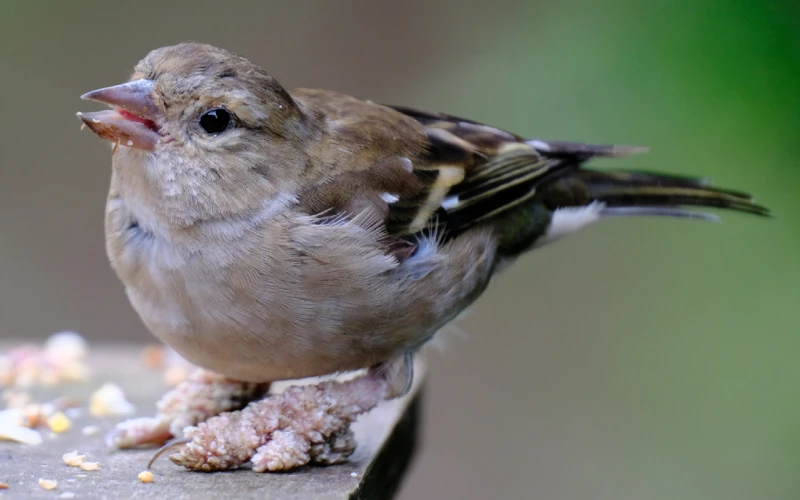
Papillomas, better known as warts, are caused by the avian papillomavirus. A papilloma is a small, solid lesion with a clear-cut margin higher than the surrounding skin tissues. It could have a peduncle or appear more wart-like.
The only sign of papillomas is lesions or warts on the skin, most typically on the legs, head, feet, or beak. However, the lesions can also be found in various locations in the gastrointestinal tract, most often at the cloaca, the shared opening for the genital, urinary, and gastrointestinal tracts.
10. Goiter

Avian goiter, also called thyroid hyperplasia, occurs when a bird’s thyroid gland cells increase, causing the gland to expand. This puts increased pressure on affected birds’ hearts, air sacs, and digestive systems.
Several things, including dietary iodine deficiency and systemic diseases, can cause goiter. It is often seen in birds fed primarily seed-based diets as seeds are deficient in iodine, a trace element used by the thyroid.
- Enlarged thyroid gland (neck swelling)
- Weight loss
- Wheezing
- Difficulty breathing
- Seizures
- Crop distension
- Vomiting
- Depression
- Lethargy
11. Air Sac Mites
Air sac mites, or Sternostoma tracheacolum, are parasites that can enter a bird’s respiratory tract. They are most often found in canaries and goldfinches, but it’s not unheard of for other species, like budgies or cockatiels, to contract the mites. Transmission typically occurs through close contact or shared environments among passerines.
- Reduced talking/singing
- Poor feather quality
- Fluffed up feathers
- Sneezing
- Wheezing
- Wet nostrils
- Excessive saliva
- Weight loss
12. Obesity

Obesity can be a major problem in pet birds due to poor diets and lack of exercise. They are sometimes confined to their cages and get their wings trimmed, providing very little means to exercise. Obese birds have an increased risk for diseases like atherosclerosis and hepatic lipidosis, making them susceptible to stroke-like events and heart dysfunction.
Obese birds can even die suddenly due to stress, like what they’d encounter at a routine vet visit.
Signs of obesity include:
- Areas void of feathers
- Shortness of breath
- Extra fat along the chest
- Exercise intolerance
- In females, egg-binding
Final Thoughts
Good husbandry can help ensure your feathered pet avoids these common diseases. But of course, sometimes pets fall ill despite their owners doing everything right. To give your bird the best chance possible, provide a high-quality diet and daily enrichment, and don’t skip out on your annual visits to your avian vet.
Hopefully, our blog has provided some insight into the common ailments birds face. Now, if your bird starts exhibiting strange behaviors, you can recognize them more easily and get treatment faster.
Featured Image Credit: klickblick, Pixabay
Contents
- The 12 Common Diseases in Pet Birds
- 1. Avian Polyomavirus (APV)
- 2. Proventricular Dilation Diseases (PDD)
- 3. Psittacosis (Parrot Fever)
- 4. Psittacine Beak & Feather Disease (PBFD)
- 5. Hepatic Lipidosis
- 6. Pacheco’s Disease
- 7. Candidiasis
- 8. Aspergillosis
- 9. Papillomas
- 10. Goiter
- 11. Air Sac Mites
- 12. Obesity
- Final Thoughts