







If you’re wondering whether mice can eat chocolate, the answer is no.
You may be wondering why something that we can eat is not edible for them. After all, they are also omnivorous, and they certainly appreciate it when offered a sweet treat. Stay with us, we will explain why chocolate is best not shared with your pet mouse and why you get the privilege to enjoy this treat.

Is Chocolate Toxic to Mice?

You have likely heard that chocolate is toxic to dogs, but is it also toxic to mice? In simple terms, yes, chocolate is toxic to mice. Now let’s dive into the details.
Chocolate is made from the seeds of the cacao tree. These seeds have a very bitter taste and must be fermented to develop their flavor. After the fermentation process, the beans are dried, cleaned, and then roasted. The shell of the cacao bean is then removed to produce cacao nibs. These nibs are then ground to produce chocolate in its pure form.
A chemical called theobromine is highly concentrated in the cacao plant. Substantial amounts of theobromine remain after the chocolate-making process. Theobromine levels are especially high in unsweetened baking chocolate, cocoa powder, dark chocolate, and semi-sweet chocolate.
Mice tend to be more enticed by the sweeter versions of chocolate rather than the bitter or semi-sweet versions. They are drawn to foods with high sugar content. The sweet versions do contain less theobromine.
However, chocolate contains not only theobromine but also caffeine, both methylxanthines that are toxic to many small animals, including mice, even in small amounts. These substances can cause hyperactivity, increased heart rate, tremors, seizures, or even death in rodents.
Humans have very efficient livers that can handle the filtering of the chemical with ease; particularly our liver enzymes, cytochrome P450, break it down relatively quickly, so it doesn’t accumulate to toxic levels. Mice and other smaller animals do not have that luxury; they metabolize theobromine much more slowly, allowing it to build up to harmful concentrations in their bloodstream, which can lead to signs like hyperactivity, tremors, arrhythmias, seizures, or death.
While some lab studies have used controlled, low doses of theobromine to study behavior in mice (for example, in pharmacological research), this does not mean it is safe or appropriate in a pet. Mice are known to have large appetites that could lead to an overconsumption of chocolate and cause an overload of theobromine. This would be potentially fatal to a mouse.
The truth is, it’s better to play it safe in terms of feeding chocolate to your mouse. There is no nutritional benefit, and the risk of toxicity far outweighs any treat value. There are plenty of other healthy foods that your mouse would love to eat.
Other Foods to Avoid
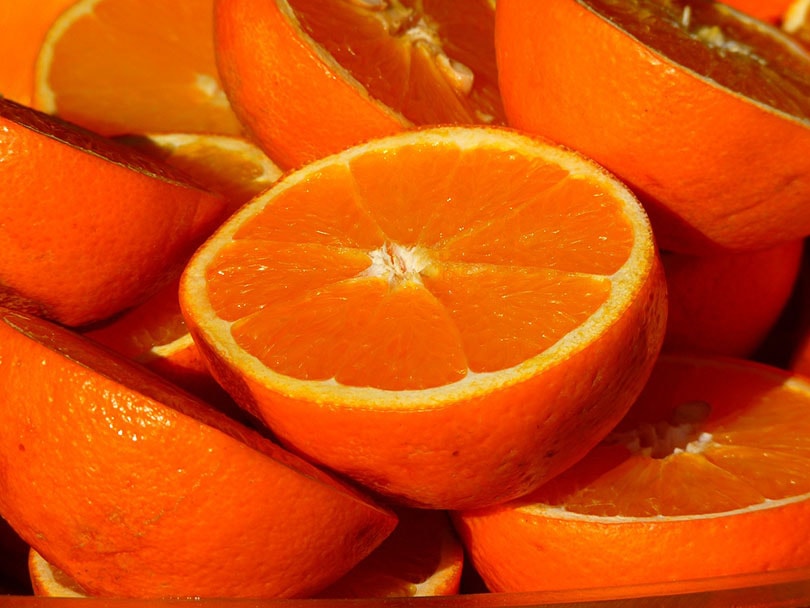
Chocolate is not the only food to be wary of when feeding your mouse. There are a variety of other foods that are best avoided for your mouse’s health. Mice are not picky eaters, and they will happily overindulge in foods that aren’t ideal for their proper diet.
For mice, it’s best to avoid highly acidic fruits and vegetables, foods high in fat and sugar, and any potential allergy risks.
Here is a list of various foods to avoid for your pet:
- Oranges
- Lemons
- Grapefruit
- Limes
- Garlic
- Onions
- Candies
- Dairy products
- Peanuts
- Fast food
- Raw meat
- Carbonated beverages
- Alcohol
What Is the Best Diet for a Mouse?

Pet mice are with us for such a short time due to their limited lifespan. You’ll want to feed your mouse a proper diet to ensure your pet is in optimal health and is with you as long as possible.
The base diet for a mouse should be commercial food from the pet store, with small amounts of fresh fruits and vegetables daily. You can also provide occasional protein-filled treats like lean meat, cooked eggs, mealworms, and cooked beans. Here are lists of acceptable fruits and vegetables:
- Carrots
- Broccoli
- Cauliflower
- Chicory
- Sweet peppers
- Cucumber
- Watercress
- Peas
- Zuchinni
- Apples (seedless portions)
- Pears
- Peaches
- Melons
- Dried bananas
- Grapes (seedless)
Conclusion
Please do not feed any chocolate to mice; they simply do not have the necessary liver enzymes to metabolize theobromine or caffeine before it becomes toxic to them. While small, controlled doses of theobromine have been used in lab studies on mice, this doesn’t mean it’s safe for pets.
There are other alternative foods you can share with your little buddy, like the ones listed in here. If you are unsure about anything else, it’s always best to check with your veterinarian for the best dietary advice for your pet. They will help you develop a proper nutrition guide to ensure your pet mouse is as happy and healthy as possible.
- See Also: Can Rats Eat Chocolate?
Featured Image Credit: Grace800, Shutterstock