







Click to Skip Ahead
Chinchillas are predominantly herbivores, although in the wild, they have been reported to eat insects or even eggs on occasion. They’re native to Western South America and live in the Andes Mountains. In their natural habitats in the wild, they mainly eat grass, bark, and twigs.
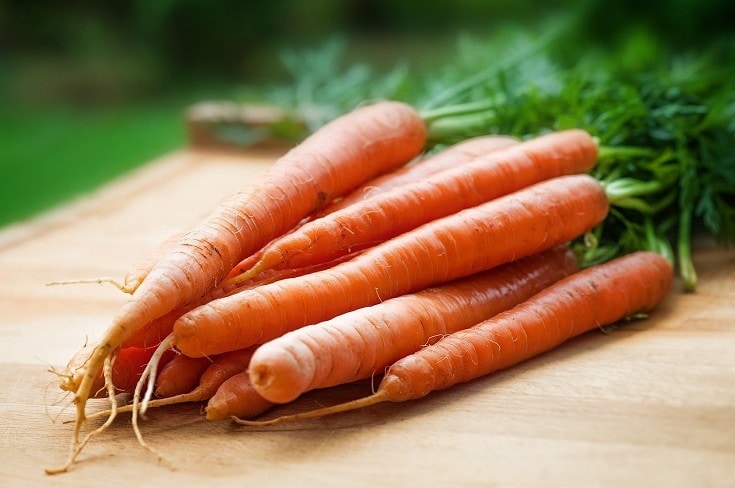
As pets, chinchillas typically have access to more varieties of foods that are either scarce or nonexistent in their natural habitats. One of these foods is carrots. Although carrots are not toxic to chinchillas as such, it would be best to keep them off their food menu.

Should Chinchillas Eat Carrots?
Carrots are not the best choice to offer to your chinchilla. A small bite is unlikely to do much harm, but it should not be something that is a part of their snack menu. There are safer and more species-appropriate treats for chinchillas.
Nutritional Benefits of Carrots
Carrots are highly nutritious and are a good source of beta carotene, vitamin C, and K. They also contain calcium, iron, potassium, and fiber. Although the proposed benefits are intended for human consumption, we cannot extrapolate them to chinchillas. Their digestive tract is completely different from ours, and they will not reap any benefits from eating carrots, while they may experience ill effects.
How Carrots Can Be Unhealthy for Chinchillas
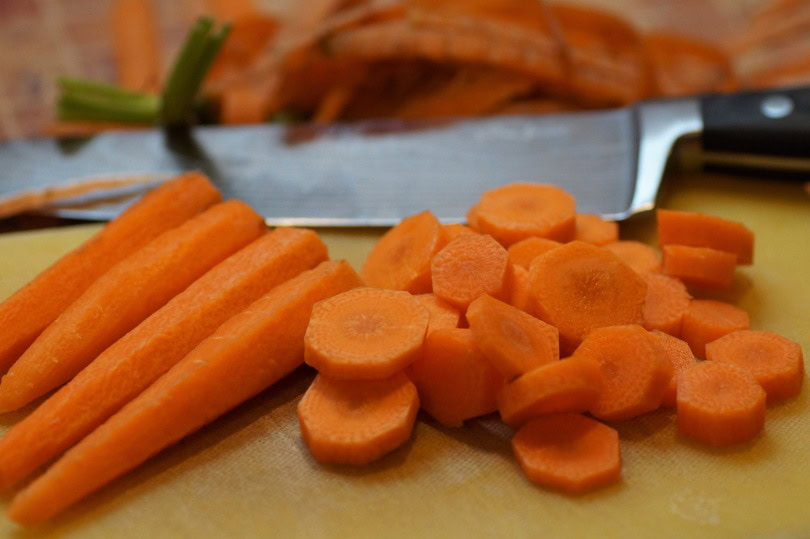
There are several downsides to carrots, however. As nutritious as carrots are, they also contain a high amount of natural sugar. Feeding chinchillas too much sugar can lead to digestive issues in the short term and predispose them to becoming overweight in the long run. Carrots also have a high water content, so even a small amount of carrots can cause loose or runny stools.
When it comes to any questions or concerns regarding your Chinchilla’s diet, don’t hesitate to consult with your veterinarian.
Are There Fresh Vegetables That Chinchillas Can Eat?
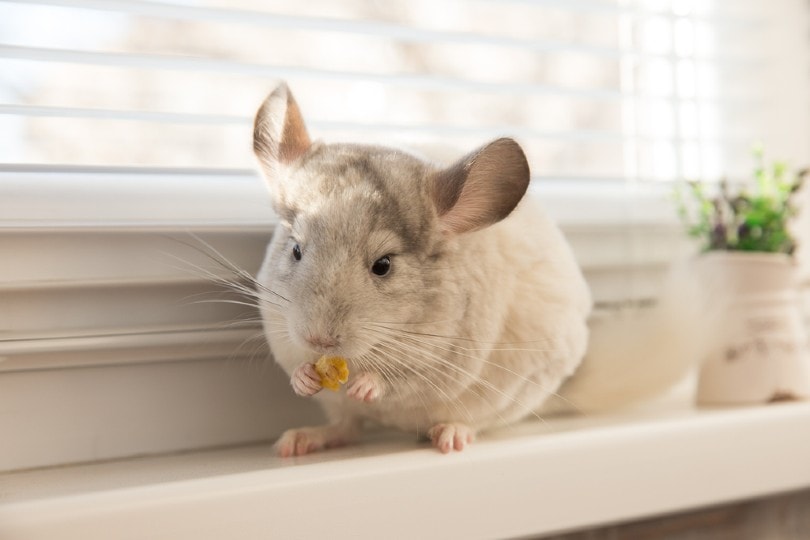
Chinchillas have sensitive stomachs, so it’s important to be careful about the types of food you give them. It’s also essential to slowly introduce new foods into their diets so that they don’t get upset stomachs.
Carrots aren’t the only vegetables that chinchillas should stay away from. Some fresh fruits and vegetables may seem like delicious treats for chinchillas, but they may lead to digestive and other health issues, mainly due to high water and carb content.
Chinchilla’s diet should be based on hay, with the small supplementation of species-specific and high-quality pellets. They provide extra nutrition and energy, while the fiber from the hay ensures proper digestion and dental health. There are some herbs that can be offered dry in very small amounts, such as rosehips, dried dandelion, dried nettle, and chamomile.
If you want to give your chinchilla any treats, it’s best to consult with your vet, as in reality, chinchillas do not require treats as such. They are sensitive to foods with high water content, as well as carbs, which are common ingredients in most fruits and vegetables. Certain dried herbs will lessen the chances of your chinchilla experiencing runny stools or diarrhea, but they should still be offered in strict moderation.
Just remember that dried fruit has a higher sugar concentration and should be avoided as well.
Vegetables That Chinchillas Should Avoid

Besides vegetables not being ideal snacks for chinchillas, some veggies are actually quite harmful or even toxic for them and should be avoided at all cost. Make sure to avoid the following vegetables:
- Asparagus
- Avocado
- Peas
- Cabbage
- Lettuce
- Broccoli
- Rhubarb
- Spinach
It’s also best to avoid giving your chinchilla nuts and seeds, such as peanuts and sunflower seeds. Nuts and seeds are high in fat, so they can easily cause a stomach upset in your chinchilla.
Bananas are also typically unsafe for chinchillas to eat because of their high sugar content. Too many bananas can cause bloating and an upset stomach. It’s often best to just avoid this fruit altogether.
Chinchilla Diet and Nutritional Needs
A healthy diet for chinchillas consists of high fiber, moderate protein, and low carbohydrates and fat. Pet chinchillas commonly eat high-quality hay and pellets.
Chinchillas will mainly eat hay and a supplemental amount of 1-2 teaspoons of pellets. Suitable varieties of hay include Timothy hay and orchard grass hay. When you select a pellet, look for plain, hay-based pellets.
Avoid pellets that contain fruit, nuts, and seeds. These types of pellets often have too much fat and sugar. They’re unhealthy options for chinchillas and can lead to them becoming overweight.
Chinchillas also constantly need items to gnaw on to maintain the length of their teeth. You can buy untreated woodblock toys specifically made for rodents. You can also find different flavored sticks, such as applewood sticks. If you give your chinchilla sticks, avoid the following types of wood:
- Almond
- Cedar
- Cherry
- Chestnut
- Citrus fruit trees
- Oak
- Plum
- Walnut
- Sumac
- Redwood
- Fresh pine
These types of wood contain properties or toxins that can make your chinchilla sick. If your chinchilla consumes any of these sticks, make sure to contact your veterinarian right away.
How Many Times a Day Should a Chinchilla Eat?

In the wild, chinchillas will eat frequently and consistently throughout the day, and when kept as pets, they should have food available at all times. Try to refresh your chinchilla’s food once in the morning and then restock their food again in the evening.
You can also leave some sticks with your chinchilla to chew throughout the day, but it would be ideal to supervise them while chewing.
Final Thoughts
Overall, carrots and other vegetables and fruit are best avoided in chinchillas, due to high carb and often water content, predisposing them to an upset stomach.
Keep in mind that chinchillas have a very specific diet and sensitive stomachs. Therefore, it’s crucial to feed them the appropriate types of foods that help maintain their high-fiber diet.
You may want to read this next:
- Can Chinchillas Eat Broccoli? What You Need To Know!
- Can Chinchillas Eat Rabbit Food? What You Need to Know
Featured Image Credit: jackmac34, Pixabay