






Click to Skip Ahead
Some people may think of them as pests, but rats make lovely pets. They are smart, friendly, and easy to care for. There’s also a wide variety to choose from. A typical pet rat is one of seven different varieties of fancy rats. While they differ in looks, one thing that’s consistent among them is their diet.
All rats are omnivores, which means they eat a varied diet of plant and animal foods. If you’re a fan of fruit, the good news is that it’s fine to share strawberries and most other fresh fruits with your pet rat. Keep reading to learn more about what rats eat in the wild and as pets, along with how to properly give strawberries to your pet.

The Wild Rat Diet
Rats are opportunistic eaters. If a rat lives in the forest, it will eat vegetation, fruit, and seeds as well as any insects, bird eggs, or small animals when plant-based food is scarce. If a rat lives in a city or near humans, it’s more likely to feast on garbage, discarded human food, or anything else they can find. The diet of a wild rat is never a cookie-cutter menu because it so heavily depends on the environment that this rodent lives in.
Rats as Pets
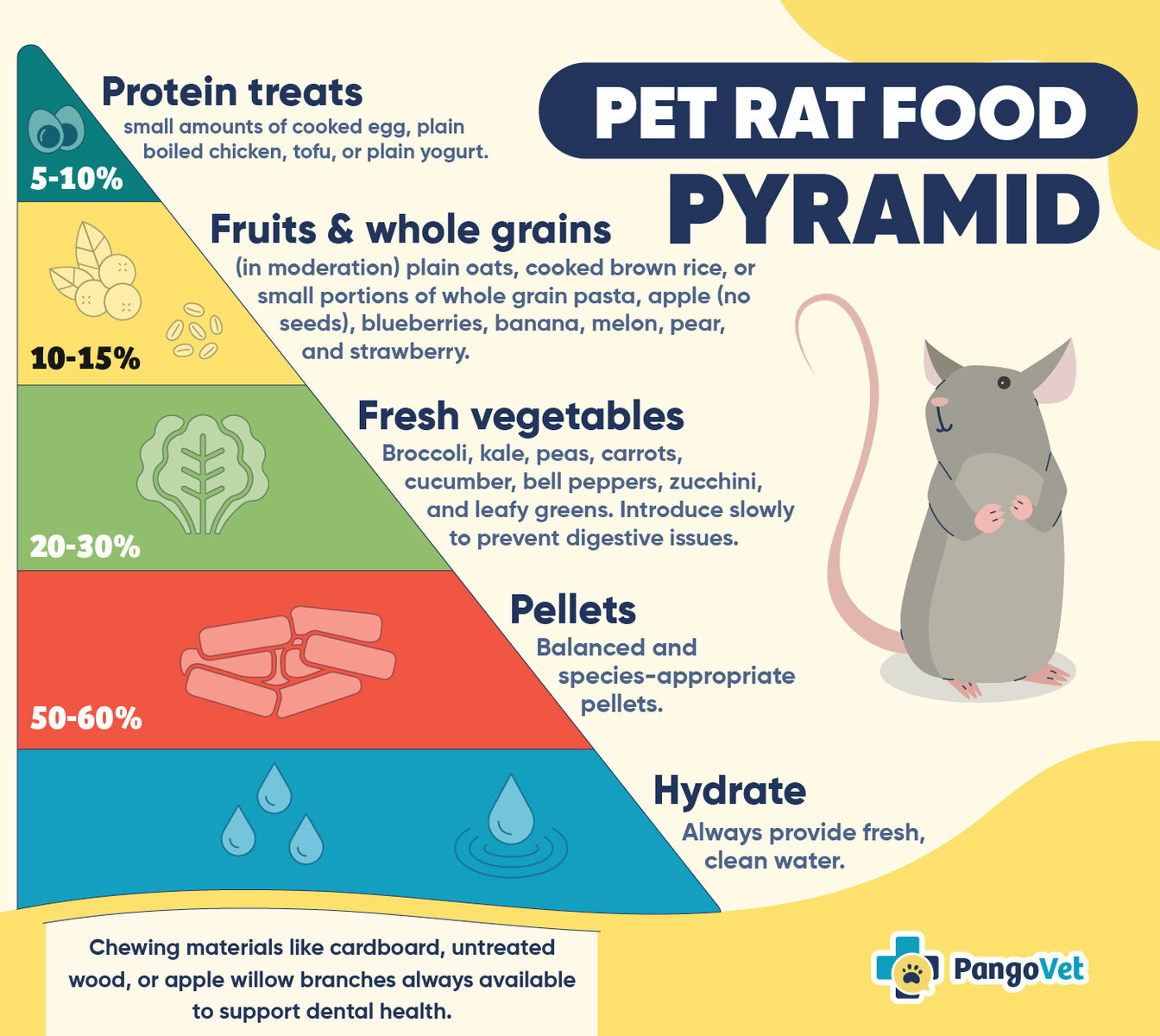
Pet rats are a little more discerning in their food choices. That’s not to say they wouldn’t eat trash if other food was scarce. However, to keep a pet rat in peak health, you should be cognizant of what the proper rat diet includes.
Veterinarians recommend that a pet rat’s diet contains:
- Pellets made specifically for rats
- Fresh fruit as treats
- Vegetables
- Protein sources like cooked egg, lean meats, or legumes
- Occasional seeds
The pellets should be a majority of the diet, with fruits and veggies filling in the rest.
Rats and Strawberries
So, where do strawberries fit in? In the wild, rats eat fruits and berries, so it’s no surprise pet rats would like them too. They’ll happily nibble on bites of strawberry if you provide them as occasional treats.
How to Prepare Strawberries for Your Rat
If you’re going to give strawberries to your pet rat, make sure that you cut the berries into small pieces. This will prevent choking or other trouble with chewing the strawberries. Make sure you clean the berries carefully to remove any contaminants or pesticides. You can also remove the leaves from the top of the strawberries.

Benefits of Strawberries for Rats
Strawberries are healthy treats when fed in small amounts. Strawberries are naturally rich in:
- Vitamin C, which supports immune function (though rats can synthesize their own vitamin C, unlike guinea pigs).
- B vitamins and vitamin K, which support metabolism and blood clotting.
- Potassium, magnesium, and fiber, which contribute to nerve function, digestion, and overall health.
They are low in calories and fat, making them a better fruit choice than more sugary options.

Other Healthy Fruits and Veggies for Rats
Strawberries are among the many fruits and veggies that you can safely feed your pet rat. Fruit favorites include:
- Apples (no seeds)
- Bananas
- Blueberries
- Cantaloupe
- Cherries (remove the pit)
- Grapes (seedless)
- Papaya
- Peaches (remove the pit)
- Pears (no seeds)
- Plums (remove the pit)
- Raspberries
- Watermelon
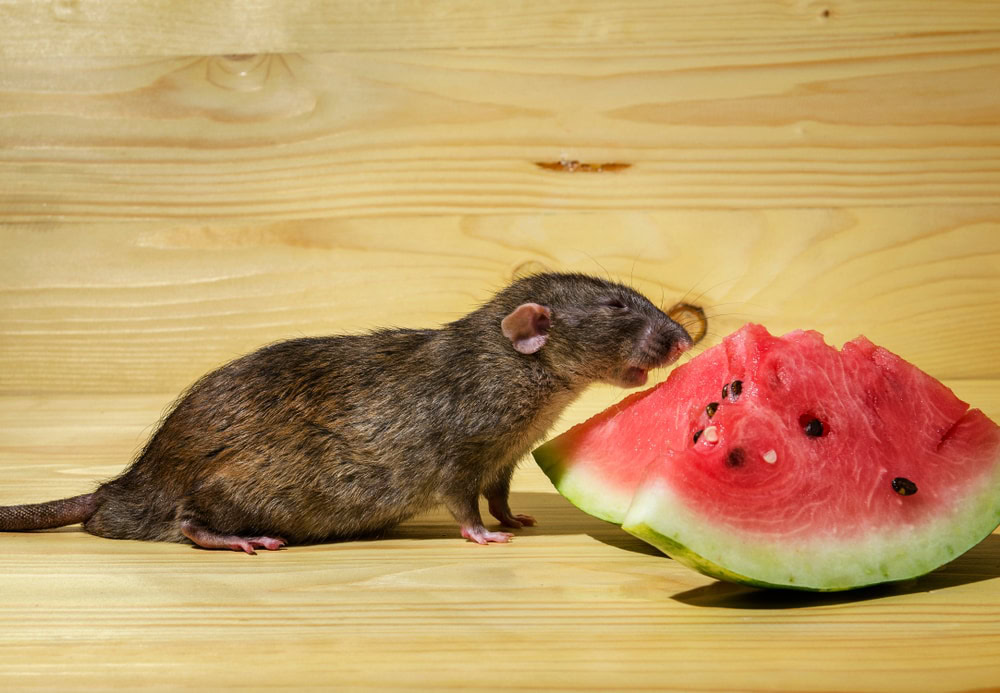
Just like with strawberries, any fruits should be cut into small, manageable pieces. You should also remove seeds or pits from things like apples, pears, and peaches as they contain amygdalin, a naturally occurring compound that can be converted into toxic cyanide when metabolized. When these seeds or pits are chewed or crushed, the risk increases because this process activates enzymes that trigger the release of cyanide. While a single seed might not cause immediate toxicity in a larger animal, in small animals like rats, even small amounts can be dangerous due to their low body weight and fast metabolism.
Vegetables are also wonderful snack choices for pet rats. The best veggie options include:
- Broccoli
- Carrots
- Cauliflower
- Celery
- Cucumbers
- Green peppers
- Kale
- Lettuce
- Peas
- Potatoes
- Squash
- Sweet potatoes
If you have any young, elderly or any age rat with dental issues, tough veggies, like carrots, potatoes, sweet potatoes, and squash, should be steamed and peeled before being fed to your rat. This makes them easier to eat.

Foods You Should Never Give Your Rat
There are quite a few foods that you should never feed your pet rat. Just because they’ll eat a little of everything in the wild doesn’t mean it’s good for their health. You want your pet rat to be in good health, so don’t feed them the following:
- Uncooked beans: These can be hazardous for rats because they contain compounds that destroy vitamin A and protein digestion enzymes.
- Blue cheese: Rats and cheese aren’t always a good mix, especially rats and blue cheese. The mold in blue cheese is toxic for rats.
- Carbonated or caffeinated beverages: You should never give rats carbonated drinks, as they are high in sugar and the carbonation can be harmful. Caffeine is also bad for rats.
- Chocolate: Like many pets, rats shouldn’t have chocolate.
- Green potatoes: Green potatoes are toxic for rats.
- Onions: Onions can cause stomach problems and hemolytic anemia in rats.
- Citrus fruits: While it might be fine to give female rats some citrus fruits, they can induce kidney tumors in male rats. It’s best not to give citrus to any rats.
- Rhubarb: Rhubarb is toxic to rats, its oxalates might cause kidney damage.
- Processed foods: Processed snacks are typically high in sugar, fat, and calories. They’re not good for your rat.
Final Thoughts
Rats are excellent pets that require the same care in feeding as any other animal does. They have specific dietary needs that should be met to ensure optimal health.
Strawberries are among the many fresh fruits and vegetables that can be included as occasional treats to supplement their rat pellet-based diet.