







The lore of rats and cheese goes way back. There are many pop culture references in TV, movies like “Ratatouille,” and more, but that doesn’t mean that you should be feeding your rat tons of cheese.
The truth is that while rats can eat small amounts of cheese as occasional treats, you have to be careful not to overdo it. Rats actually don’t like cheese nearly as much as pop culture would lead you to believe.

Rats and Cheese
Rats will eat just about anything, but they don’t necessarily view cheese as a treat. While it’s generally safe for them in small quantities, they view it as just another food source.
That’s why it’s best to feed your rat something that they’ll actually view as a treat instead of cheese, even though you can indeed feed it to them.
In any case, cheese is usually perfectly safe in small amounts, even if we don’t specifically recommend it.
The One Exception
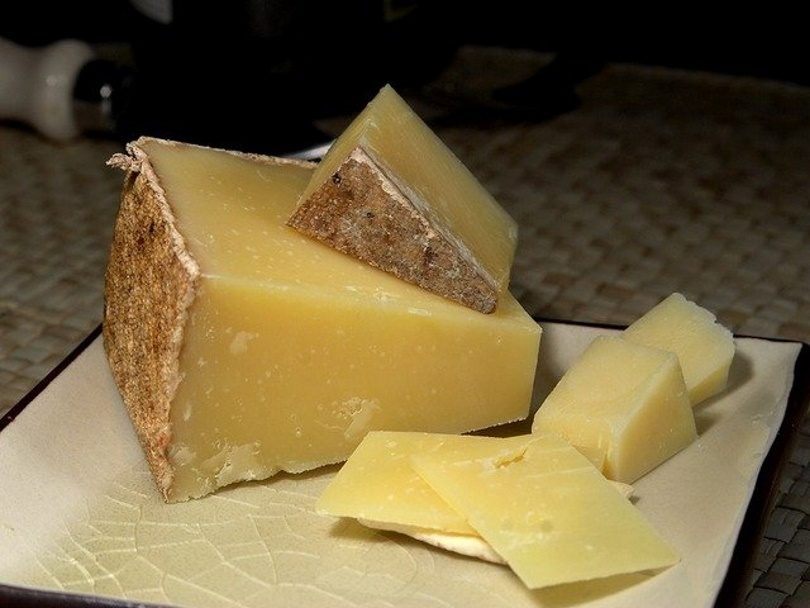
While almost every cheese out there is generally safe for your rat, one notable exception is blue cheese. The mold that grows on blue cheese and makes it blue cheese is incredibly toxic for rats.
Avoid blue cheese at all costs, or else there’s a good chance that you’ll make your rat sick or even kill them.
Do Rats Like Cheese?
While rats may like cheese, they certainly don’t love it. Rats prefer sweeter treats, and there are plenty of better choices out there. While you should only feed them any of these treats in moderation, they also provide additional nutrients, and your rat will likely like them more.
So, while rats will eat cheese because they are opportunistic omnivores that will eat just about anything, they don’t like cheese more than any other food.

5 Better Treat Ideas for Your Rat
If you should avoid feeding your rat cheese because they don’t care for it and it’s not good for them, what are better options out there? We highlighted five great choices here.
1. Apples

Before feeding your rat any apple slices, ensure that you remove the seeds. Apple seeds contain cyanide, and while it’s a small enough amount that it won’t hurt you, it can be harmful to the much smaller rat.
But your rat will undoubtedly love the sweetness of the apples, and since it’s a fruit, there are plenty of helpful nutrients there too. A small cube about the size of your rat’s paw should be a tasty treat to offer once a week.
2. Peaches

One fruit that your rat won’t be able to get enough of is peaches. But just like apples, you need to be careful what you’re giving them.
Don’t feed your rat the pit of the peach, because it contains cyanide at levels that can be fatal for your rat. While you might not think that your rat can chew up and eat the pit, they have extremely strong teeth and a determined attitude toward food. Offer them a paw-size portion of the flesh once a week as a treat.
3. Chicken

While you have to be careful about what you’re putting on the chicken, there’s nothing wrong with giving your rat a protein boost by feeding them small pieces of plain boiled chicken. Your rat will likely love the flavor, and it’s low in fat.
Just ensure that it’s not a significant part of their diet because it’s not as good for them as some other foods. Half to one teaspoon once or twice a week is more than enough for your rat.
4. Grapes

Just like your rat loves other fruits, grapes are an extremely popular choice. Even better, you don’t need to worry about the seeds or pits with grapes if you buy the seedless varieties. Grapes have tons of nutrients, and rats can’t get enough of the sweet flavor.
Do keep in mind that just like other treats, you need to be careful about how much you feed your rat. As a rule of thumb, one-quarter to half of a grape is enough for a treat, depending on the size of the rat.
5. Eggs

While you need to be careful of how much you give your rat and how you prepare the eggs, they can make a great addition to your rat’s diet. Egg whites offer tons of protein, and it’s in a form that a rat can digest and retain effectively.
Simply hard-boil the eggs, and feed your rat the egg whites. While they can eat the yolks, they don’t offer the same lean nutrition benefits that the egg whites do. You can also scramble eggs, but don’t add any additional seasonings while cooking them.
Just remember, a proportionate portion control is important for our tiny pets. For an average adult rat, a safe portion of egg would be about half a teaspoon to one teaspoon of cooked egg, either egg white only or a small piece of plain scrambled egg, offered once or twice a week.
The 5 Other Foods to Avoid Feeding Your Rat
While there are plenty of foods that make great treats for your rat, there are a few that you should avoid. Here, we highlighted five of the most dangerous culprits.
1. Chocolate
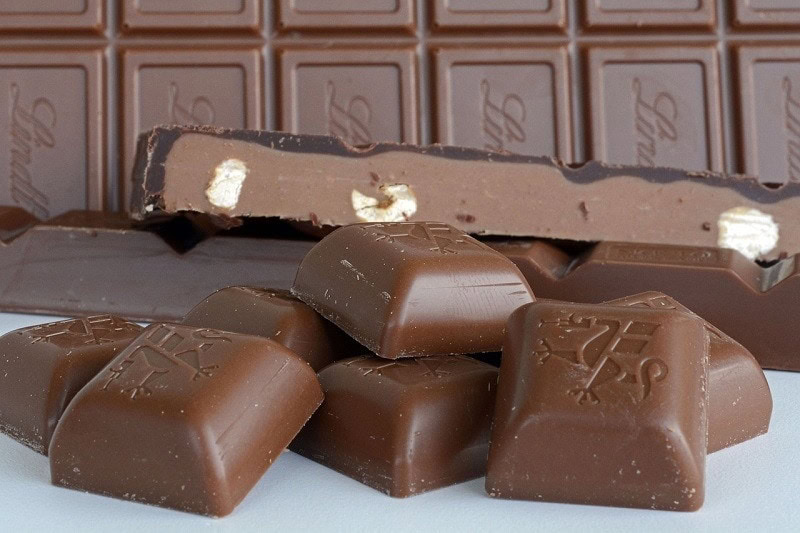
Chocolate is pretty much a no-no for all pets, and a rat is no different. While a rat will happily gobble up chocolate if you feed it to them, it’ll likely kill them in the process.
Both the caffeine and theobromine in chocolate are toxic to rats, and since your rat is so much smaller, even a little chocolate can make them extremely sick or be fatal.
2. Licorice
While rats can eat many of the same foods that we chow down on, they absolutely cannot have licorice. While the exact reasoning that it’s so bad for rats is a little technical, the short answer is that it causes neurological damage.
Avoid both red and black licorice for your rats.
3. Green Potatoes
Green potatoes aren’t just toxic to rats; they’re toxic for you, too! While your rats might gobble down the potatoes that you can’t eat, chances are that they’ll kill your rat. Green potatoes fall along the lines of a simple rule that you need to follow when it comes to giving people food to animals: if you can’t eat it, don’t give it to your rat.
4. Poppy Seeds

While a few poppy seeds won’t kill your rat, you need to be extremely careful with foods that contain poppy seeds, and it’s best to avoid them entirely. Large quantities of poppy seeds can cause neurological damage and kill your pet rat.
Since it can be challenging to determine how much is safe, we recommend avoiding them entirely.
5. Peanut Butter/Nutella
Just to be clear, peanut butter or Nutella is not toxic to rats, but it’s still something that you need to avoid feeding them. These sticky foods can easily block their airways, and rats cannot vomit to clear their airways.
While your rat might love peanut butter and Nutella, it’s not worth the risk of them choking to death.
Final Thoughts
While your rat might gobble down everything that you put in front of them, that doesn’t mean every food is good for them. Some foods are worse than others, but since you control their diet, there’s no reason not to give them the best of the best of all the foods that they can safely have.
So, while cheese is safe in small amounts, it’s better off if you avoid it and give them foods that they truly love.
Also see: