







Click to Skip Ahead
Whether in the wild or when kept as pets, hedgehogs are insectivorous omnivores, which means that their diet is heavily insect based but they may also eat some small invertebrates, bird eggs, fruits, and even fungi. As part of a good, balanced diet, blueberries are not only safe for your hedgehog, but they are likely to be a favorite treat, and hedgehogs can enjoy the same antioxidant benefits that people and other animals do from this superfruit.
However, they are high in sugar and must be fed in moderation, or you risk obesity and weight-related illnesses. Read on for more information on feeding blueberries, as well as some other fruits that are safe.

Are Blueberries Good for Hedgehogs?
Blueberries are considered superfruits and are regularly added to pet food and eaten by humans for their antioxidant properties. Antioxidants play a role in protecting cells from oxidative damage by neutralizing free radicals. While research in hedgehogs is limited, antioxidants are believed to support overall cellular health and may help reduce the risk of chronic conditions, such as cancer or heart disease, similarly to their effects in other mammals. While they are higher in sugar than insects, they have less than most other fruits, which makes them a suitable choice as an occasional treat.

Wild Berries
Not all blueberries are equal. Wild berries may not be dusted with pesticides and other chemicals, but they can harbor bacteria and insects that are not good for your spikey pet. Therefore, it is best to avoid feeding wild blueberries.
Organic Berries
Organic berries are your best option when buying from the grocery store, but you must ensure they come from a reputable source. Choose a store with a good reputation for selling organic stock. You should always wash the berries, even if they are organic.
Dried Berries
You should also avoid feeding dried berries since they often have added sugar and preservatives. They also have a much higher sugar-to-weight ratio, and you would have to serve fewer, or your hedgehog could put on too much weight.

How Many Blueberries Can I Give My Hedgehog?
You can serve berries to your hedgehog, including blueberries, three times a week and only offer the equivalent of a teaspoon of fruit daily. A healthy portion is a half to a whole blueberry. It might not seem much, but it’s enough for the hedgehog’s tiny stomach.
The 5 Other Fruit Hedgehogs Can Eat
1. Apples
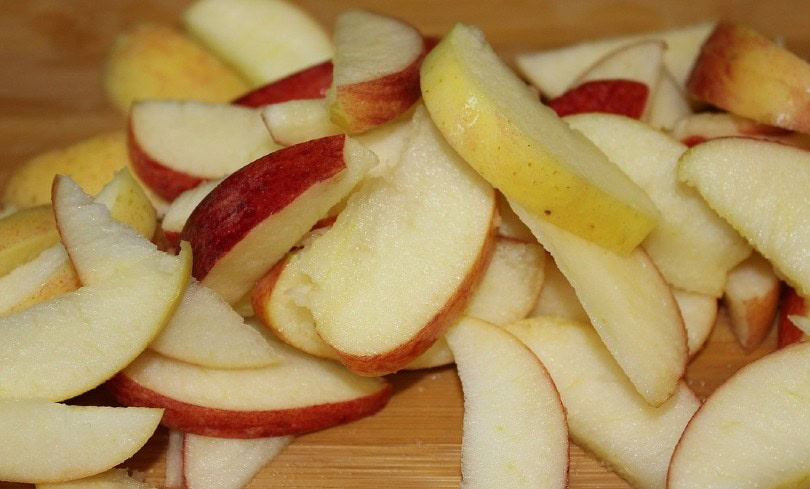
Apples are sweet, and your hedgehog will love them, but they should only be occasional treats. Wash them well and remove the skin because it may contain undesired residues. Cut or mush the apple to make it easier to eat. Make sure you remove the seeds as they contain cyanogenic glucosides which can be toxic for small creatures.
2. Bananas

Bananas are a good source of potassium and easy for a hedgehog to digest. Remove the peel and avoid feeding overripe bananas, which are naturally much higher in sugar and have far more calories than yellow bananas.
3. Pears

Pears are similar to apples except that they have a much more fibrous texture and are higher in fiber. Wash them well and remove the skin. You must also ensure the fruit is cut into small pieces. Feeding a piece of fruit that is too large is a choking hazard. Don’t feed the pips, either, because they contain cyanide (safe for humans in that quantity, but not necessarily for a body as small as a hedgie).
4. Strawberries

Strawberries are sweet and juicy. They are naturally appealing but have a surprisingly low amount of sugar. They are rich in vitamins and antioxidants and are one of the best fruits you can feed your hedgy. However, you will have to wash them well before cutting them up. Avoid feeding them if they are mushy, moldy, or have gone dark.
5. Kiwi

Kiwi is a fibrous fruit most hedgehogs enjoy. Before serving small pieces, remove the skin.
The 3 Fruits Hedgehogs Cannot Eat
Hedgehogs can benefit from having fruit in their diet, but they are high in fructose, so they should only be fed sparingly and occasionally. However, not all fruits are safe.
1. Grapes
Grapes should not be fed to hedgehogs because they are potentially toxic. Even a relatively small portion may lead to kidney or liver failure.
2. Oranges
Oranges and other citrus fruits are very acidic. This acid can cause gastrointestinal irritation, stimulate excess stomach acid and bile production, and may lead to vomiting and diarrhea.
3. Raisins
Raisins are dried grapes. The drying process does not reduce or eliminate the risk of toxicity of the fruit, and raisins are considered just as potentially dangerous for hedgehogs as grapes, perhaps even more so because of the higher concentration of sugars and toxic ingredients. You should avoid feeding them and ensure your hedgehog doesn’t have the opportunity to steal them from you.
Can Hedgehogs Eat Blueberries?
Hedgehogs are insectivorous omnivores. They primarily eat animal proteins, from small insects, some frogs, and even bird eggs. Due to their high sugar levels and calories, fruits should only be occasional treats for your pet. Blueberries are non-toxic, filled with antioxidants, and loved by most hedgehogs. Wash and cut the blueberry into small pieces, and feed around half a blueberry every other day. Other fruits you can serve include apples, pears, and bananas, but you should avoid feeding grapes, raisins, and other citrus fruits.
See also: