







Approximately 1.3 million American households have welcomed small animals, including gerbils, into their homes1, and it’s easy to see why. For one thing, they are far less costly when compared to dogs, for instance, which can cost you well over $1,000 a year2, not to mention being decidedly lower maintenance in terms of daily exercise and training!
Gerbils are an example of animals that have evolved both naturally and with the assistance of selective breeding. The range of colors reflects the fact that gerbils are domesticated pets, but they still retain much of their wild habits, instincts, and physiology. Evolution selects colors and patterns that give the rodents a competitive edge. After all, camouflage is the key to success and survival. Many of the variations that you’ll see are not adaptive. Instead, they are aesthetic choices that sometimes are the result of mutations.
Selective breeding is an evolving practice. As soon as the stability of the color emerges, you’ll likely see more variations come on board. Trends and fashion often dictate the changes and drive the price of gerbils. If cost is an issue, it’s a vital consideration. Let’s explore the range of options if you want something different than the run-of-the-mill gerbil.
Important note: While this guide focuses on 12 of the most common or recognizable gerbil colors and patterns, breeders have developed over 20 distinct varieties through selective breeding. These include shades like Nutmeg, Slate, Schimmel, Black-Eyed White, and more.

The 12 Gerbil Colors and Patterns
1. Agouti
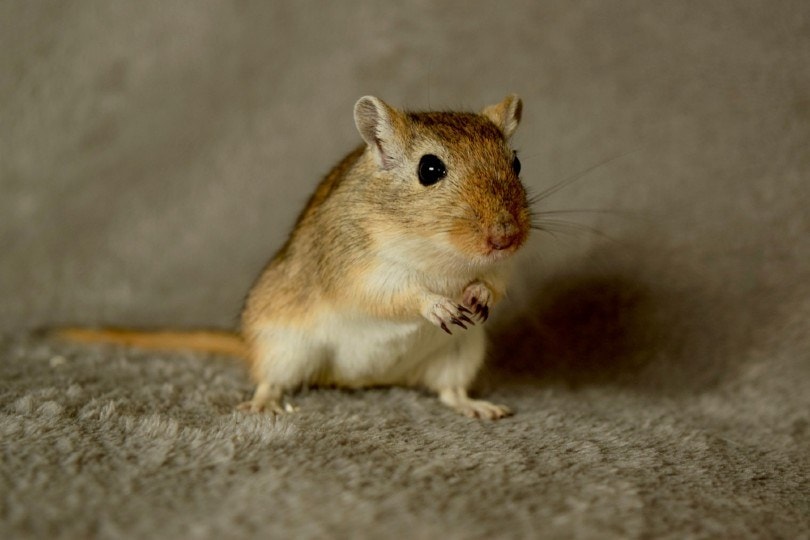
The aguoti color is known as the ‘wild type’. If you find a gerbil in nature, agouti is the color you’d likely see, and if left to breed indiscriminately, this coloration would eventually dominate the population. Agouti gerbils have a mix of black, brown, and golden hairs, giving them a ticked appearance. Their bellies are typically lighter, often white or cream-colored.

Argente
The word argente means silver in French. However, it also forms the basis for some variations on this theme.
2. Cream Argente

Cream argente is a light apricot/cream color with a white belly and ruby eyes.
3. Golden Argente

The golden argente color is darker than the previous one, and the same red eyes define this variation. The primary distinction from cream argente is the richer, golden hue
Honey
The term honey describes a warm tan color reminiscent of the food. It’s a shade darker than the last set with these typical hues.
4. Cream

This gerbil exhibits a beautiful light apricot or creamy color across its body, with a distinct white belly. Its eyes are typically ruby-red, a characteristic that provides a striking contrast to its pale fur.
5. Honey Dark-Eyed
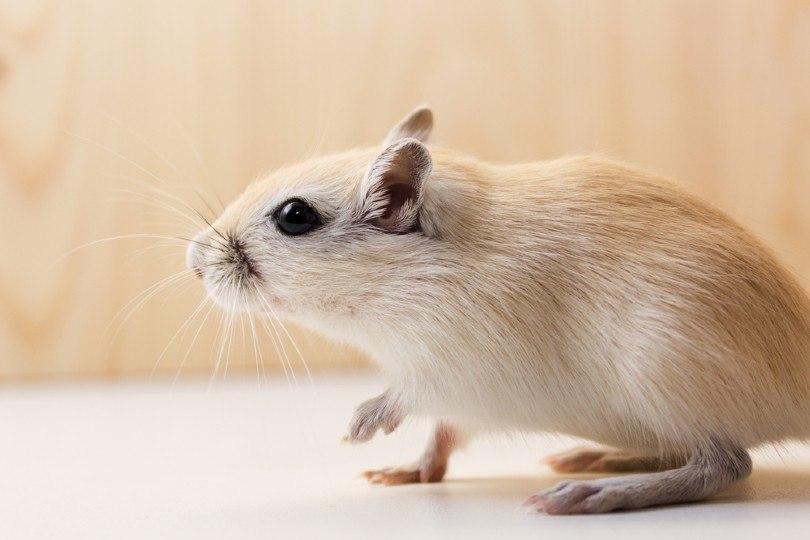
As the name implies, the gerbil’s eyes are black, and the belly is white. It’s a deeper honey color that is quite attractive.
Gems
Several gerbil colors co-op the names of different gems that are ideal descriptors of the shades. We think they are appropriately named and show nuanced color variations.
6. Sapphire
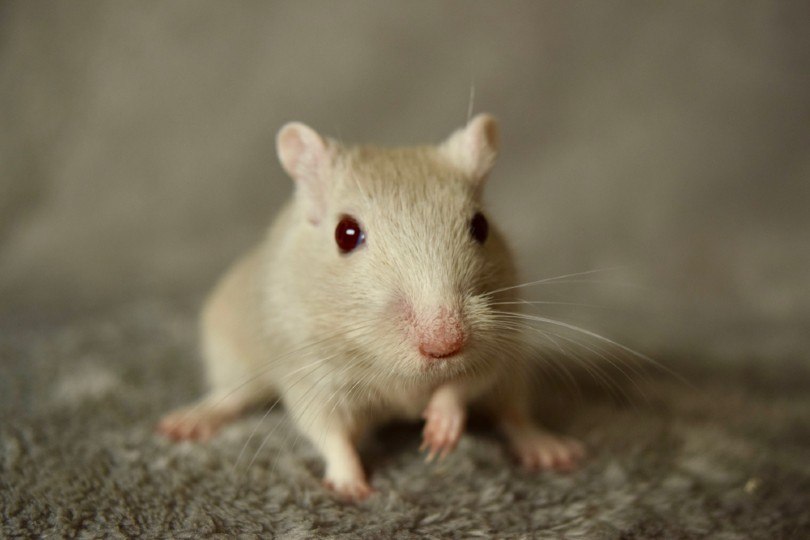
This color describes the undertone more than the actual color. It denotes a cool white that gives the gerbil its bluish hue.
7. Topaz
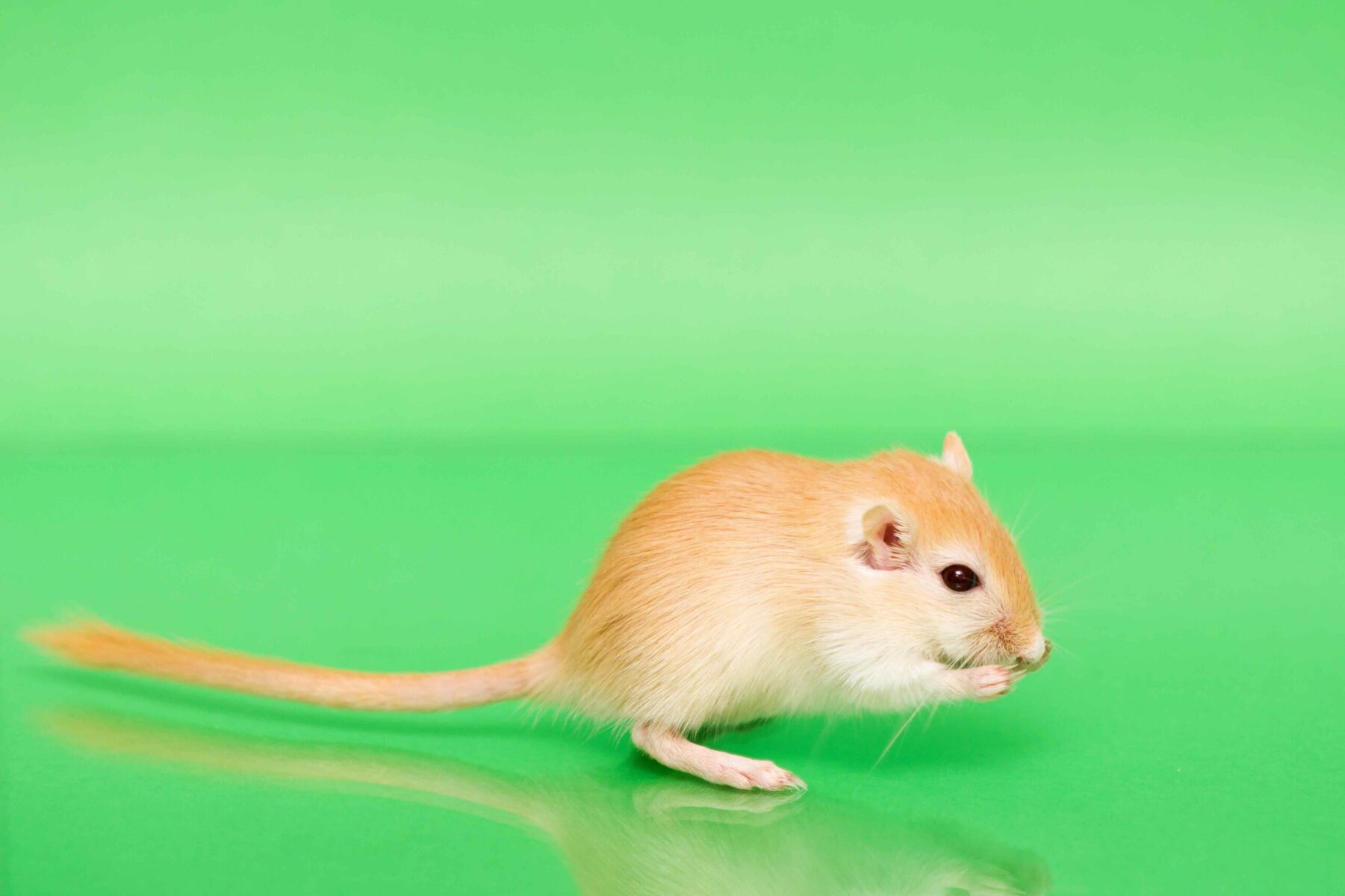
This color variation is interesting. It’s a warm golden brown color like the gem. The gerbil has a white belly that accentuates the warmth of the hue. The eyes are red, which is a striking contrast.
8. White Ruby Eyed

This color embraces the contrast between ruby-red eyes and a white body that looks fantastic in this small animal.
- See Also: Do Gerbils Bite? All You Need To Know!
Color Points
Some of these color pointed gerbils will have familiar names, and the appearance of their coats is very similar to their feline namesakes.
9. Pearl

Pearl gerbils have a very light, silvery-grey or “smoky” color, often with a white belly and dark eyes. The color is a dilution of a colorpoint black or grey agouti.
10. Siamese

The Siamese gerbil has the rich silver color that defines the Siamese cat breed. This variation brings that same beautiful tone to the gerbil.
11. Himalayan
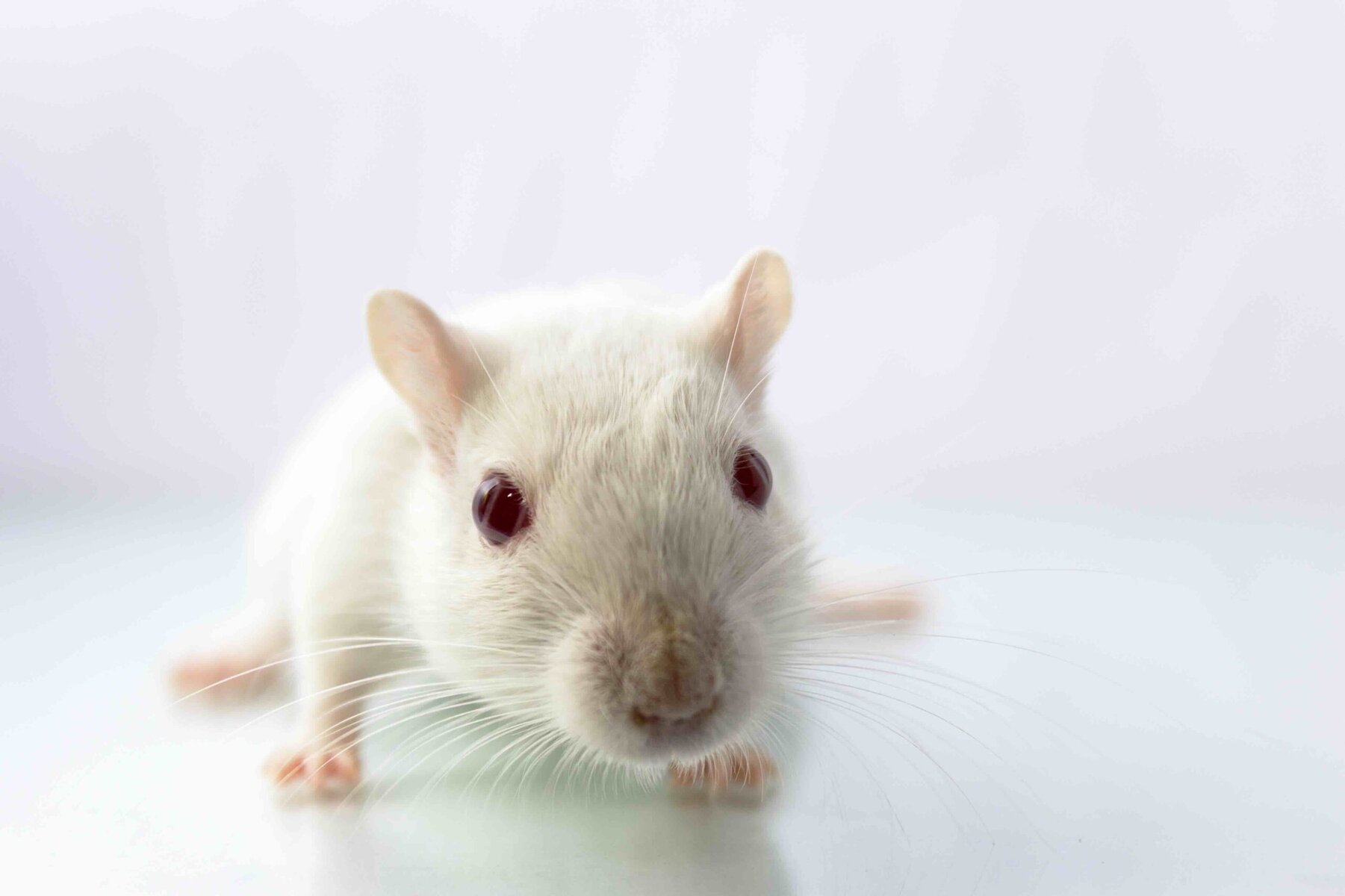
Also known as dark-tailed whites, the Himalayan color pattern is similar to the previous one, with greater contrast between the light and dark colors. The combination works as well in cats as it does in gerbils, however, unlike the feline’s bright blue eyes, the Himalayan gerbil’s eyes should be red or pink.
12. Burmese
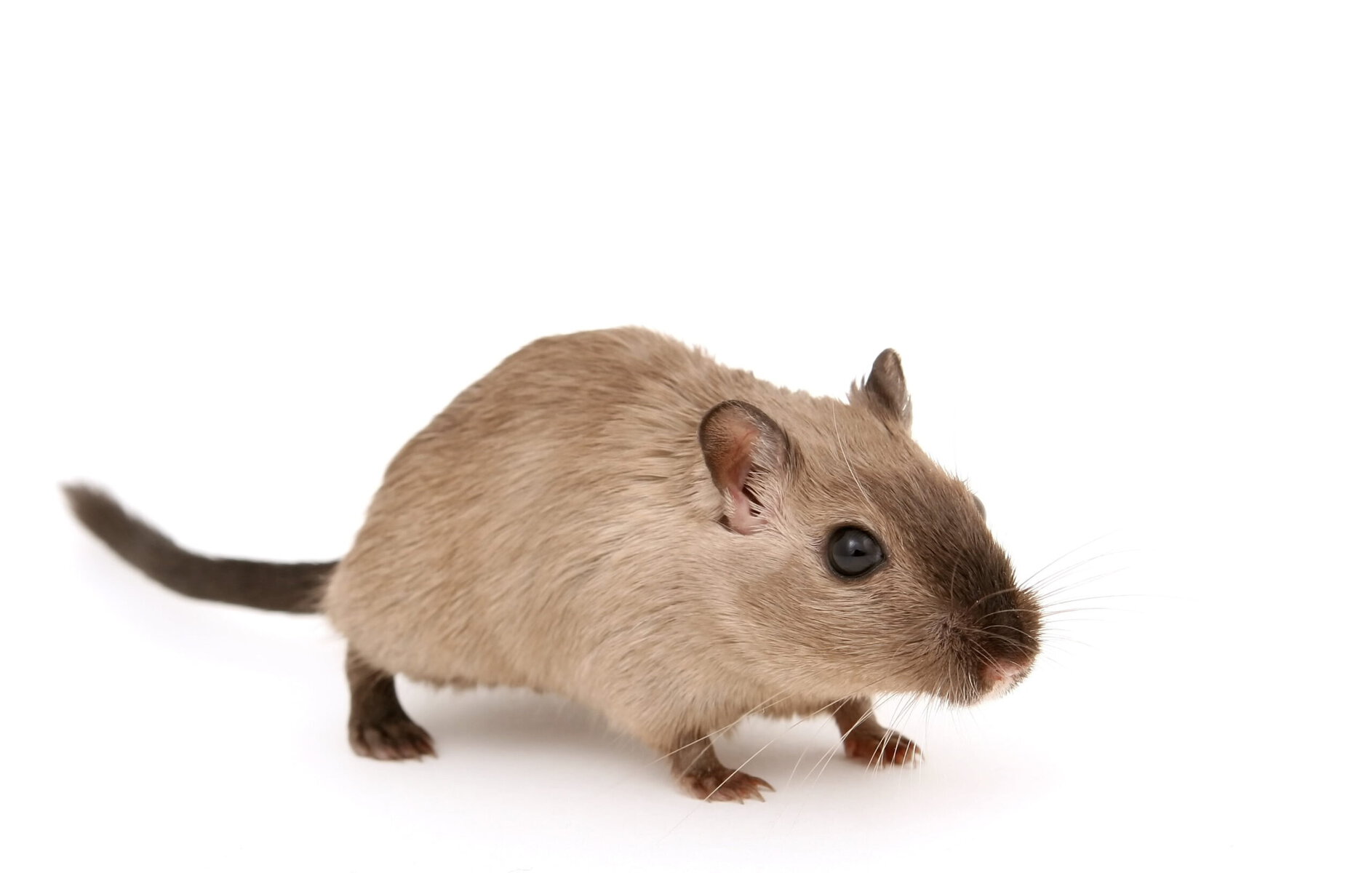
The Burmese also share similar characteristics, although the contrast is less stark. It’s a gorgeous variation that works on so many levels.
Final Thoughts
Our roundup only scratches the surface of the available gerbil colors and patterns. Selective breeding has that wild card of mutations that mixes up the coloration results. In the wild, gerbil colors, besides agouti, are often a liability. Today, they are an opportunity to expand the profile of this small animal. In any case, gerbils are a lovable pet that can make an excellent choice for a youngster to learn the necessary responsibility.
See also:
- How Long Can You Leave a Gerbil Home Alone? Vet Approved Facts & FAQ
- Gerbil vs Guinea Pig: Key Differences (With Pictures)
Featured Image Credit: Svetlanistaya, Shutterstock