







If there’s one thing that we’ve learned from “James Bond” films, it’s that every cool animal in the world, no matter how dangerous, will someday be owned as a pet by some rich guy with questionable motives.
The problem only seems to be getting worse, as many wild species are slowly becoming domesticated by people with too much time on their hands and not enough sense in their heads. In the list that follows, we look at a few of the more egregious examples today.
To be clear, we’re not advocating keeping any of these animals as pets. Far from it—wild animals are meant to stay wild, and you shouldn’t mess with Mother Nature in this way. Just leave them in their natural habitats where they belong.

The 12 Animals That Are Becoming Domesticated as Pets
1. Foxes

This one makes some sort of sense, as foxes are dog-like and absolutely adorable, so it was only a matter of time before someone tried to turn them into pets. Scientists at the Siberian Institute of Cytology and Genetics have been selectively breeding foxes since the 1950s to study the genetics of domestication. A limited number of domesticated foxes have occasionally been placed with private individuals.
The current asking price for a fox is $8,000, and you have to be approved by the higher-ups at the institute since the conditions are quite strict.
2. Wallabies

Wallabies are small- to medium-sized marsupials native to Australia. Although some individuals are kept in private collections or licensed wildlife parks, wallabies are not domesticated in the scientific sense; they remain wild animals with complex physical and behavioral needs.
Their curious nature can give the impression of friendliness, but this should not be mistaken for suitability as pets. They need to be kept in large backyards with extremely secure fencing, require specialized diets, and have access to veterinary professionals experienced in marsupial medicine.
Keeping wallabies as pets is restricted or prohibited in many regions, including parts of Australia and other countries, due to welfare concerns and legal protections.
3. Genets
This animal is kind of like a cat crossed with a mongoose mixed with a ferret. These long, little carnivores have bushy tails and spots like leopards, and they’re found in various parts of Africa.
Their average lifetime in captivity is 13-20 years. They’ve also developed a reputation for hitchhiking, as cameras set up in nature preserves have caught genets riding on the backs of water buffaloes and rhinoceroses.
Like other animals in this list, Genets are not domesticated and remain wild animals with specific behavioral and environmental needs.
4. Fennec Foxes

The smallest fox species, the fennec fox, is known for their gigantic ears, giving them a completely adorable appearance. This makes them popular as pets, but they’re almost completely unsuitable for life in captivity.
They’re extremely high maintenance because they need regular playtime, socialization, grooming, and feeding. They also like to make a great deal of noise at night.
5. Capybaras

These giant rodents are quite affectionate, but they’re also high maintenance because they’ll require a swimming pool, plenty of food, and dedicated shelter.
They have strong survival instincts, which means they’ll bite when threatened, and getting bitten by a giant rodent is no joke.
- Related Read: Do Capybaras Make Great Pets? Legality, Ethics & FAQs
6. Skunks

Popular among people who have never watched “Looney Tunes,” skunks are legal to own in many states. When raised in captivity, they’ll often have their scent glands removed, so at least you won’t have to worry about stocking up on tomato juice.
Unlike most of the other animals on this list, skunks are actually great pets because they’re affectionate, curious, and adorable. They’re like a cross between a cat and a dog, but in captivity, they lack many of the survival skills that those animals have developed, so they should never be allowed to roam around outside.
7. Axolotls

The axolotl looks like a tiny cartoon dragon, but these salamanders are becoming increasingly common in home aquariums across the globe. They’re meant to be stared at rather than played with, and they need large tanks all to themselves. They can live up to 15 years in captivity and are renowned for their ability to heal themselves (they can even regrow lost limbs).
That doesn’t mean they’re invincible, though, and the species is actually listed as critically endangered. That’s because their habitats are being destroyed by pollution and overrun by invasive species like tilapia and perch.
8. Mongooses

Mongooses are notorious for being fearless hunters, so it would make sense that you’d want to bring one into your home (especially if you have a problem with cobras). However, they’re extremely high maintenance and can absolutely devastate local animal populations if they get out.
They’ve also been described as “temperamentally unpredictable,” and that is not a characteristic you look for in a pet.
Mongooses are illegal to own in many countries due to their risk to native wildlife. Escaped individuals have caused ecological damage in places like Hawaii and the West Indies.
9. Serval Cats

Savannah cats are a large breed that have been almost completely domesticated, so it was only a matter of time before exotic animal enthusiasts moved on to an even bigger species. Serval cats are native to the grasslands of Africa, and they’ll behave like they’re still there, even if they’re living in your backyard.
They need a ton of space, and they’re prone to spraying and hunting, neither of which is something that you want to be on the wrong end of. Keep in mind that they’re still wild, so they don’t see you as their owner—you’re just a large piece of meat to them. Keeping them as pets is illegal in many places, and where it’s allowed, it often requires special permits, inspections, and strict enclosure standards.
10. Degus

The degu is a small rodent that looks something like a cross between a hamster and a guinea pig. They’re often kept as pets in their native Chile, but there are quite a few restrictions on their ownership in other countries due to ecological concerns and disease risk.
They are social creatures, so if you’re going to own one, you might as well own several. They eat seeds, leaves, and grasses, and they’re extremely prone to diabetes if fed any sugar at all. Given that sugar is a staple in many foods, it’s probably a good idea to just leave these critters in their natural habitats.
11. Lions
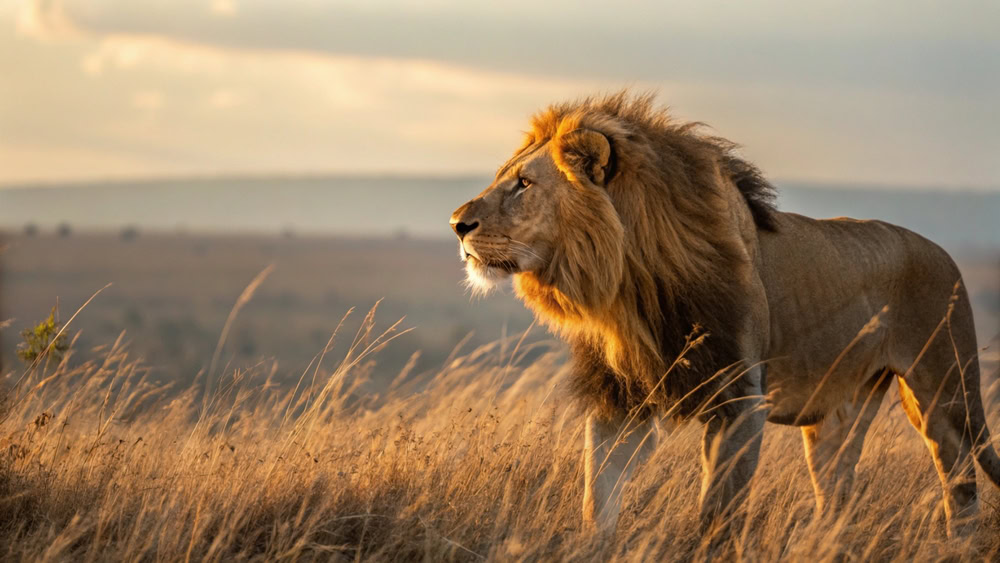
Lions may seem majestic and powerful, but they are not domesticated animals and make extremely dangerous and inappropriate pets. Despite occasional reports of private ownership, keeping a lion requires massive space, specialized care, and presents serious safety and welfare risks. They retain all their wild instincts and are capable of causing fatal injuries, even to familiar handlers. In many countries, including parts of the U.S., owning a lion is either illegal or requires strict licensing, and it contributes nothing to conservation.
12. Tigers

There are actually quite a few people who keep tigers as pets (and we also know what type of person keeps tigers as pets). By some estimates, there are as many as 7,000 pet tigers in the world, which is more than the number of tigers in the wild.
Tigers are in no way domesticated, though, and keeping one near your home is a great way to turn yourself or a loved one into a tiger treat. Don’t think that your tiger would love and respect you either—if Siegfried and Roy couldn’t figure out how to tame tigers, it’s unlikely that you’ll be able to crack the code.
You might also like:
Conclusion – Stick to Regular Pets
While it may be tempting to be the only person on your block with a capybara, mongoose, or even a tiger, wild animals should be left alone. There are plenty of fantastic animals that have been domesticated already, and millions of them need homes, so don’t waste a spot with an animal that would rather stay in their natural habitat.
- Related Read: Do Mongooses Make Good Pets?
Featured Image Credit: Pixabay












5 Responses
FOR REAL? TIGERS ARE NOT PETS.
Hello,
thank you for your comment. Yes, we absolutely agree and as we mentioned in the intro to our article, we’re not advocating keeping any of these animals as pets. This article is meant strictly for informational purposes. We definitely wouldn’t advise to try to keep a tiger (or any of the animals on this list) as a pet!
Best wishes
Ditto moose. They’re enormous and cranky and 100 capable of stomping you into a puddle of blood. If I was rich enough to give it the proper care, I’d consider having a pet serval, but even I’m not crazy enough to keep a moose captive.
Found your article after reading about keeping a lynx for a pet. They’re beautiful but best left in the wild.
Hello Kenneth,
thank you for your message. We absolutely agree with you. As we mentioned in the article, we don’t endorse or recommend keeping ANY wild animals as pets. There are many other more suitable wonderful pets you can own. Wild animals are almost impossible to tame and they wouldn’t live happily in captivity.