If you have a hedgehog, you know they can be a lot of fun. Most pet hedgehogs in the United States are African pygmy hedgehogs, which are adapted to warm climates. Because of this, they can become cold easily in cooler North American homes, especially if temperatures fall below their comfort range. It’s important to maintain a stable, warm environment (around 70–80 degrees Fahrenheit or 21.1–26.7 degrees Celsius) to keep them healthy and happy, as prolonged exposure to cooler temperatures can trigger attempted hibernation, which, as warm-weather natives, can be dangerous for them.
If you would like to improve your pet’s habitat but aren’t sure where to start, you’ve come to the right place. We are about to look at several different methods you can use to increase the temperature in your hedgehog’s habitat, and we’ll cover standard ways and what to do when the power goes out to help you be better informed.
Important note: This article is for informational purposes only and does not replace professional veterinary advice. Always consult your veterinarian before introducing new products, treatments, or changes to your hedgehog’s environment or care routine. If you’re using any heat sources to keep your hedgehog warm, do so with great care. All heating equipment should be used under supervision and according to the manufacturer’s instructions to avoid accidents or overheating.
The 11 Ways How to Keep a Hedgehog Warm
1. Use a Thermometer and Thermostat
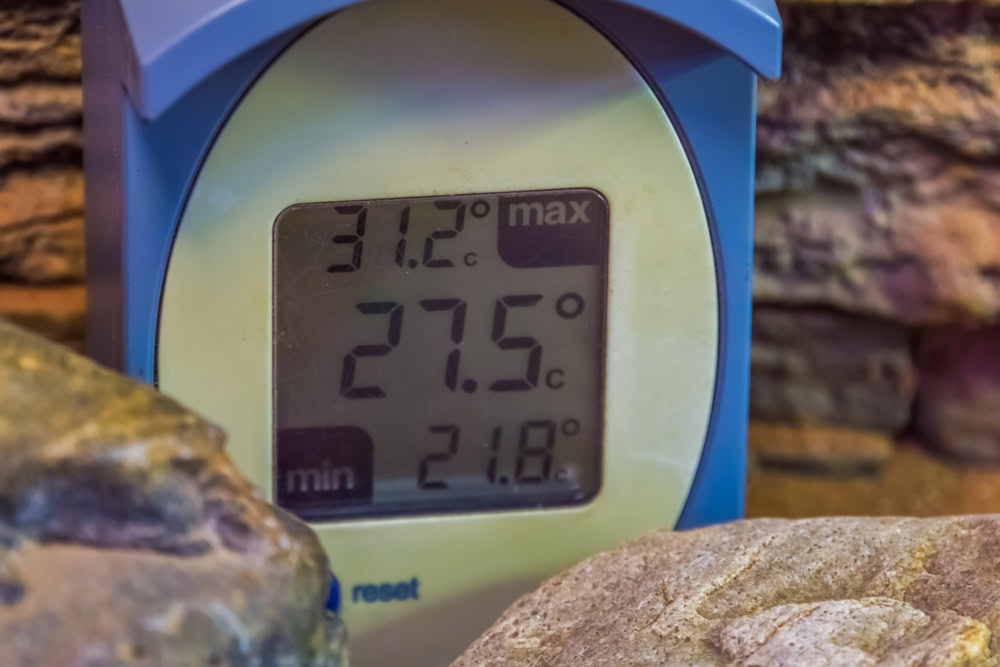
One of the first things we recommend doing when trying to keep a hedgehog warm is purchasing a high-quality digital thermometer. These devices are easy to read, so there’s no guessing or struggling to see. You can check it frequently and will always know the exact temperature.
We are often surprised by how many people believe they can tell what temperature it is in the room but turns out to be several degrees off, which could unnecessarily put your pet at risk. The ideal temperature range for your hedgehog is between 70–80ºF.
Most people prefer room temperatures lower than what hedgehogs need. However, the first thing you can do to make your pet more comfortable is to increase your thermostat to between 73ºF and 78ºF, or as close as possible, and you can try to make up the rest with the following methods.
Image Credit: Charlotte Bleijenberg, Shutterstock
2.Insulating Bedding
Because hedgehogs like to burrow and dig, providing them with a good level of bedding substrate is always important. You want something that is soft and fluffy, with minimal dust, that provides warmth and insulation.
3. Eliminate Drafts
Many people in the United States waste tons of money each year by not properly sealing their houses up for the winter. It allows cold drafts to come through the house, making you feel cold even with an increased thermostat. These drafts could be life-threatening to your pet hedgehog.
Therefore, we recommend using a window insulator kit on any windows in the room with your pet. You should also keep the door closed and use a door draft protractor to keep the temperature in the room with your pet even, consistent, and warm.
4. Heating Pads
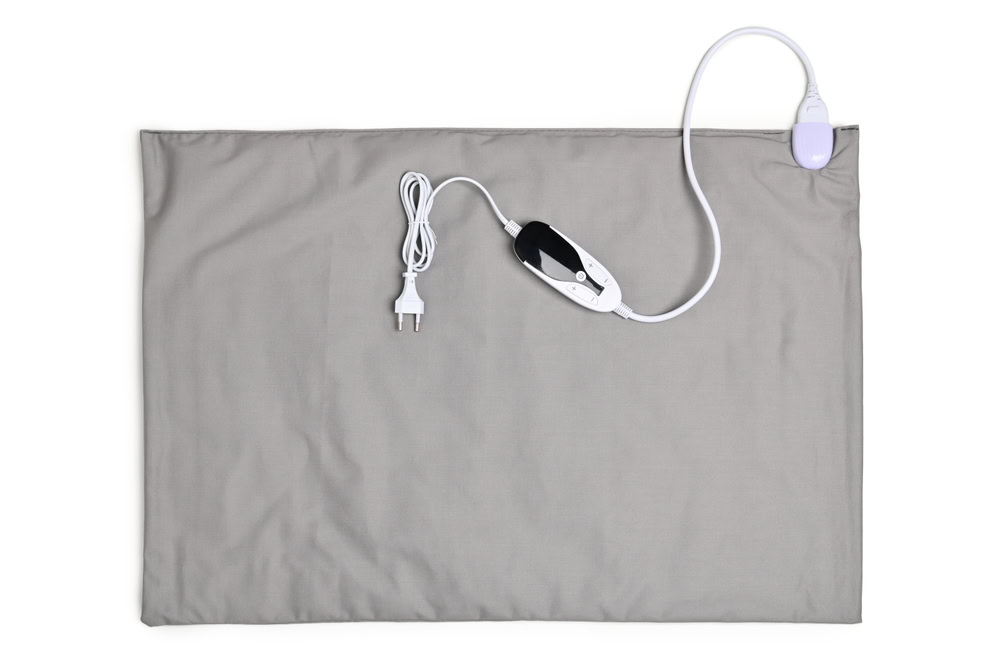
Pet heating pads are a great way to help your pets stay warm without increasing the temperature of your home. Generally speaking they are easy to use, and safe as long as you have precautions and follow the instructions carefully.
There are several brands available, and you can choose any you like, but we prefer reptile heating pads or pads made for small animals because they don’t get as dirty and are usually waterproof. The downside to heating pads is that you rarely know the exact temperature, and it’s not very adjustable. Avoid human heating pads unless they have adjustable temperature settings and are kept outside the cage. Do not use them directly beneath bedding where a hedgehog can touch it, and make sure they can get away from the heat pad if they get too hot.
Image Credit: Olga Popova, Shutterstock
5. Heating Lamps
Another great way to provide your pet with plenty of localized heat that doesn’t require you to increase the temperature in your home is using a heat lamp. They also make it easier to maintain the proper temperature than with the heating pad.Avoid light-emitting ones as these can disrupt the hedgehog’s circadian rhythm.
The downside to heating lamps is that they typically don’t last as long as the heating pads, plus they warm a larger area, so they require more careful setup and should always be used under close supervision.
6. Ceramic Emitters
A ceramic emitter is similar to a heating lamp, but it doesn’t produce light, so it’s a great way to maintain temperatures at night. These emitters use the same lamp as a heating lamp, and you can connect them to a timer that allows them to turn on and off automatically while you sleep. These should always be paired with a thermostat controller to maintain safe and stable temperatures.
7. Space Heaters
Space heaters are a great way to heat the entire room your pet is in without needing to heat your whole home. Space heaters are especially useful if your pet likes to roam around a lot and you like to give it plenty of time out of the cage. There are several types available, and they usually work about the same, with the number of watts giving you an idea of how well it will heat.
The downside to these heaters is they can raise your electric bill quite a bit, and you will notice even a few uses. Space heaters can also be dangerous if your pet gets too close, and they are a more significant fire danger than the others—so never use one while your hedgie is unsupervised.
Image Credit By: Spela Pogacar, Shutterstock
How to Keep a Hedgehog Warm When There Is No Power
8. Thick Blankets
Each year, the United States faces plenty of bad weather with hurricanes, tornadoes, ice storms, blizzards, and more. These events can knock out power leaving your hedgehog in extreme danger. As soon as you notice the power is out, we recommend covering the cage with thick blankets or towels to try to keep whatever heat you can inside.
9. Generator
A small portable generator can be very helpful if you have a pet hedgehog since a drop in temperature could be detrimental to your pet’s health, and the generator can allow you to run a heater to maintain temperature until the power comes back on. There are many inexpensive models, so it’s worth considering.
Image Credit By: Daniel Rodriguez Garriga, Shutterstock
10. Hot Water Bottles
If your stove still works, or you can build a fire in your yard or outside grill, you can use it to heat water. Then, put the hot water into bottles and place several of them around the cage to warm the environment. Replace the bottles as they cool until the power comes back on. Do not put the bottles into your hedgehog’s enclosure as they might decide to chew on them, which can lead to burn.
11. Body Heat
If you live in a large apartment building or something similar where a stove doesn’t work, and you can’t use any of the other methods here, we recommend keeping the hedgehog close to your body so it can use your body heat to stay warm. A zipper jacket that’s tight around the waist makes a great space to place the hedgehog to keep it warm. Ensure your hedgehog doesn’t overheat or become stressed in tight spaces. Keep sessions short and always monitor their comfort.
Final Thoughts
Caring for a hedgehog means paying close attention to their unique needs—including keeping them warm, especially in cooler climates. While they can be a lot of fun to have around, hedgehogs are sensitive animals that rely on a stable environment to thrive. Using safe heat sources, maintaining a consistent temperature, and consulting your vet when in doubt are essential steps to keeping your hedgehog comfortable and healthy year-round.
Ed Malaker is a veteran writer who has contributed to a wide range of blogs covering a variety of topics, writing about everything from tools to pets. When he’s not writing, Ed is a musician and spends a lot of time helping people fix their guitars and composing music for independent films.