






Click to Skip Ahead
We all know that cats purr when they are happy, but do hedgehogs purr too? No! Hedgehogs do not purr as cats do; however, they do make a variety of vocalizations and sounds to show their emotions. It sounds similar to a cat purring because some of their vocalizations are quiet and rhythmic.

What Does It Mean When a Hedgehog “Purrs”?
Hedgehogs make soft, rhythmic sounds for many of the same reasons that cats do, including to show comfort around their humans. If you have a hedgehog, you may notice that their vocalizations increase over time as you gain their trust and they begin to feel secure. If your pet hedgehog makes these purring-like sounds frequently, it means they have a great deal of affection for you!
There is no formal name for the so-called purring sounds that hedgehogs make, but they are often described as “contentment vocalizations” or “rhythmic snuffling”. These sounds are soft, steady, and usually occur when a hedgehog feels safe and relaxed.
The purr of a cat is a very feline specific sound, created by the vibration of part of the hyoid apparatus (small bones that support the tongue, larynx and pharynx) that is flexible in members of the ‘small cat’ families, but not in the large Panthera species (ie. lions, tigers, jaguars). It is usually the sign of a relaxed and contented cat, but can also be an indication of severe illness or pain.
Although hedgehogs do not purr in the same way that cats do, we can still use their purr-like noises to help us understand them a little better.
Can You Tell the Difference Between a “Purr” and a Growl?
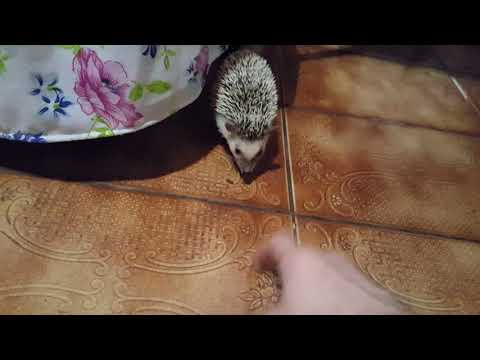
Hedgehog rhythmic snuffling vocalizations are often mistaken for growling. It can sound similar, and since many people aren’t aware that a hedgehog can make soft, rhythmic sounds similar to a cat’s purr, they automatically assume that the sound is a growl. However, there are ways of differentiating the two sounds.
Hedgehogs that are content will exhibit relaxed body language in addition to these sounds. Their quills will point toward their tail, and they may make quiet clicks and squeaks intermingled with the rhythmic noises.
When a hedgehog is unhappy, their body language will be aggressive. They may roll into a ball or stand their quills upright. In this case, they will growl, and it is unlikely that you will mistake them for being happy.

What Other Sounds Do Hedgehogs Make?
Hedgehogs make many other sounds besides “purrs” and growls. Knowing what these sounds mean will help you understand your hedgehog more and learn to better read their communication.
- Soft clicking or gentle snuffing sounds indicate contentedness.
- Loud clicking or popping is part of defensive behavior or agitation.
- Hissing is defensive and means, “Go away!”
- Screaming or high-pitched squealing is an indication that the hedgehog is in distress or pain.
What’s most important is to read your hedgehog’s body language along with the sound they’re making. This will help you determine whether your pet is comfortable and relaxed or if they’re upset, scared, or defensive. Sometimes, defensive behavior is simply an indication that they don’t want to be handled.
Final Thoughts
Hedgehogs do not purr in the same way cats do; however, they do have some soft, rhythmic vocalizations to express relaxation and contentment. While it can be difficult to differentiate vocalizations without context, a hedgehog’s body language should complete the story. By reading their body language along with their vocalizations, you can get a better overall picture of when your hedgehog is content and happy and when they want to be left alone.
Featured Image Credit: glennsontag, Pixabay